Baked Feta Eggs
There’s something comforting about a warm, savory breakfast that feels both nourishing and indulgent. Baked feta eggs with spinach and tomatoes deliver that perfect balance. This Mediterranean-inspired dish brings together creamy feta cheese, juicy cherry tomatoes, aromatic garlic, sweet red bell pepper, and vibrant baby spinach—all baked to perfection and topped with fresh eggs.
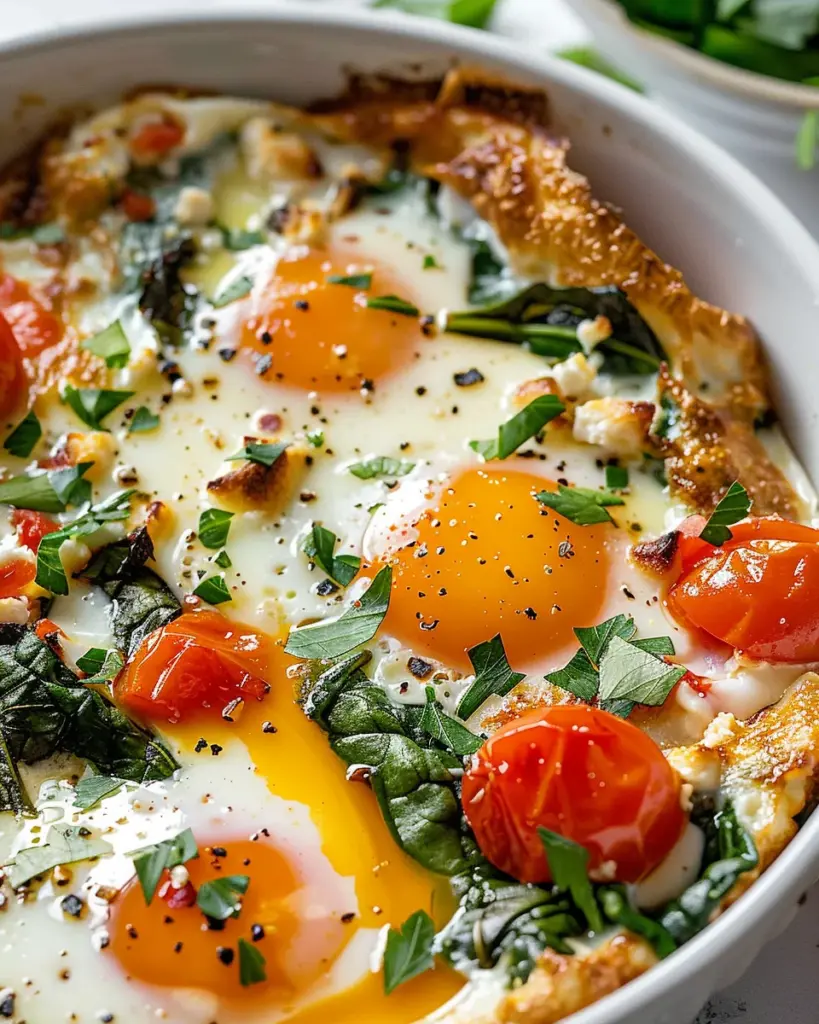
Whether you’re making brunch for a small gathering or treating yourself to a solo gourmet breakfast, these oven-baked ramekins offer elegance without the fuss. Best of all, you can prepare them using one dish or individual ramekins, making cleanup effortless.
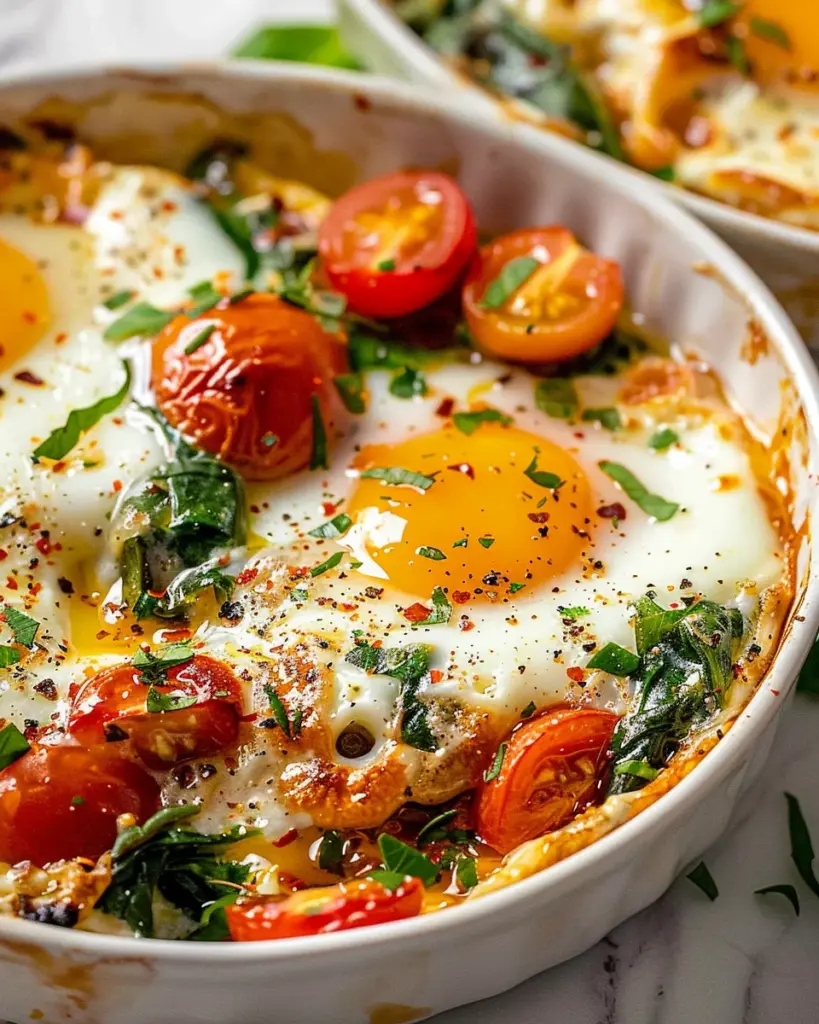
The unique appeal of baked feta eggs lies in its simplicity and versatility. The feta melts into the veggies, forming a creamy base, while the eggs set just right—ready to be dipped into with warm crusty bread or pita.
Why You’ll Love This Recipe
- Bursting with Mediterranean flavor from olive oil, herbs, and fresh vegetables.
- Perfect for brunch, breakfast, or a light dinner.
- Can be made in ramekins for individual servings or baked in a single pan.
- No stovetop needed—just chop, season, and bake.
- Gluten-free, low-carb, and high in protein with optional vegetarian tweaks.
- Prep and bake in under 45 minutes from start to finish.
Preparation Phase & Tools to Use
Essential Tools and Equipment
To make baked feta eggs, you’ll need a few key kitchen tools:
- 4 oven-safe ramekins (10 oz or more) or 1 baking dish (8×8 or 9×11 inches)
- Baking sheet (if using ramekins)
- Sharp knife and cutting board
- Small mixing bowl (for spice mix)
- Measuring spoons and cups
- Spoon or spatula
- Oven preheated to 400°F (200°C)
Importance of Each Tool
- Ramekins offer beautiful individual servings, ideal for entertaining.
- A baking sheet keeps the ramekins stable and prevents spills in the oven.
- Mixing bowls help combine seasonings efficiently.
- Cutting tools ensure uniform veggie pieces, which bake evenly.
- Measuring tools maintain balance in spices and seasoning.
Preparation Tips
- Preheat your oven before assembling to ensure even baking.
- Chop vegetables uniformly for consistent texture.
- Rinse and dry spinach thoroughly to avoid excess moisture.
- If you’re using one dish, place the feta in the center for better flavor distribution.
- Have eggs at room temperature for optimal baking.
Ingredients for Baked Feta Eggs
Here’s everything you need to make this savory and satisfying dish for 4 servings:
- 2 cups cherry or grape tomatoes
- 1 red bell pepper, diced
- ½ small red onion, diced
- 3 cloves garlic, minced
- 8 ounces feta cheese (block preferred)
- 4 tablespoons olive oil
- 1 teaspoon dried oregano
- 1 teaspoon sea salt
- ½ teaspoon dried thyme
- ½ teaspoon ground black pepper
- ½ teaspoon red pepper flakes (adjust to taste)
- 1 cup chopped baby spinach
- 4 large eggs
- Optional: chopped fresh basil or fresh chives for topping
Step-by-Step Directions
1. Preheat the Oven
Set your oven to 400°F (200°C). This ensures even cooking from the start.
2. Arrange the Vegetables and Feta
If using ramekins:
- Divide tomatoes, diced bell pepper, red onion, garlic, and feta evenly between 4 oven-safe dishes.
- Drizzle 1 tablespoon olive oil over each.
If using a single baking dish:
- Combine the tomatoes, bell pepper, onion, and garlic in the dish.
- Place the feta block in the center.
- Drizzle all 4 tablespoons of olive oil over the top.
3. Mix and Add Seasonings
In a small bowl, stir together:
- 1 teaspoon dried oregano
- 1 teaspoon sea salt
- ½ teaspoon thyme
- ½ teaspoon black pepper
- ½ teaspoon red pepper flakes
Sprinkle this seasoning mix evenly over the vegetables and feta.
4. Bake the Veggies and Feta
- Place ramekins on a baking sheet and bake for 25 minutes.
- If using one pan, place it directly in the oven.
- The tomatoes should start to burst, and feta should soften into a creamy texture.
5. Stir in Spinach
- Remove from the oven and stir the mixture gently.
- Add 1 cup of chopped baby spinach and stir to combine.
- The spinach will wilt slightly from the residual heat.
6. Add the Eggs
- Create a small well in each ramekin or four wells in the large dish.
- Crack one egg into each well.
7. Final Bake
- Return to the oven and bake for another 10 minutes, or until egg whites are set.
- For runnier yolks, reduce bake time by 1-2 minutes.
- For firmer yolks, extend by 1-2 minutes.
8. Garnish and Serve
- Remove from the oven and top with chopped basil or chives if desired.
- Serve immediately with crusty bread, pita, or toast for dipping.
Enjoy Baked Feta Eggs Any Time of Day
While baked feta eggs are an ideal breakfast or brunch option, their flavor and heartiness also make them suitable for a light lunch or dinner. Served straight from the oven, they offer a warm, cheesy base with just-set eggs and savory vegetables. The dish is beautifully versatile and pairs well with a variety of sides.
How to Serve This Dish
- Serve directly in ramekins for individual portions.
- If using a baking dish, cut into equal squares and plate carefully.
- Spoon over thick toasted bread, allowing juices to soak in.
- Add a drizzle of olive oil or a pinch of flaky salt before serving for a gourmet finish.
Best Bread Pairings
Pairing baked feta eggs with a good bread elevates the entire dish. Choose one with a firm, crisp exterior to hold up against the juicy vegetable base.
- Crusty French baguette
- Toasted sourdough slices
- Pita bread (warm and soft for scooping)
- Ciabatta or rustic Italian loaf
Beverage Pairings
- Freshly squeezed orange juice
- Sparkling water with lemon or cucumber
- Dark roast coffee or espresso
- Unsweetened iced tea or mint tea
Special Serving Occasions
- Perfect for Mother’s Day, Easter, or holiday brunch spreads.
- Elegant enough for entertaining guests.
- Ideal for a weekend breakfast-in-bed treat.
Common Mistakes To Avoid & How to Perfect the Recipe
Troubleshooting Tips for the Best Results
Even simple recipes like baked feta eggs have potential pitfalls. Avoid these common errors to ensure your dish turns out perfectly every time.
1. Using Non-Oven-Safe Ramekins
Problem: Ramekins or bowls that aren’t oven-safe may crack or shatter.
Solution: Use ceramic, cast iron, or glass ramekins labeled for oven use. Minimum capacity: 10 ounces per ramekin.
2. Overcooking the Eggs
Problem: Egg yolks turn hard and rubbery.
Solution: Bake for 8 to 10 minutes after adding the eggs. Keep an eye on the whites—when they’re opaque and set, the dish is ready.
3. Underbaking the Feta and Veggies
Problem: Tomatoes remain firm and feta doesn’t melt.
Solution: Bake the vegetable mixture for a full 25 minutes before adding eggs. This ensures softened vegetables and creamy feta texture.
4. Unevenly Chopped Vegetables
Problem: Some vegetables overcook while others remain raw.
Solution: Dice all vegetables to a uniform size for even roasting.
5. Using Crumbled Feta Instead of Block Feta
Problem: Crumbled feta doesn’t melt as smoothly and may dry out.
Solution: Use block feta and crumble it by hand or slice it. Blocks retain moisture better and blend into the dish.
6. Adding Spinach Too Early
Problem: Spinach wilts too much or turns mushy.
Solution: Stir in spinach after the initial bake and before adding the eggs. The heat from the dish will wilt it just enough.
7. Overseasoning
Problem: The dish becomes too salty due to feta and additional salt.
Solution: Use sea salt sparingly. You can adjust after baking if needed.
8. Choosing Soft Bread for Dipping
Problem: Bread becomes soggy too fast.
Solution: Opt for crusty, sturdy bread that holds its texture when dipped into the feta-tomato mixture.
Side Dish Recommendations
Create the Perfect Brunch Spread
Baked feta eggs are hearty, but pairing them with flavorful side dishes rounds out your meal. These options add texture, freshness, and balance to your plate.
Fresh Mixed Green Salad with Lemon Vinaigrette
A crisp green salad with arugula, spinach, and romaine dressed in lemon vinaigrette cuts through the richness of the feta and eggs. Add cherry tomatoes or cucumbers for crunch.
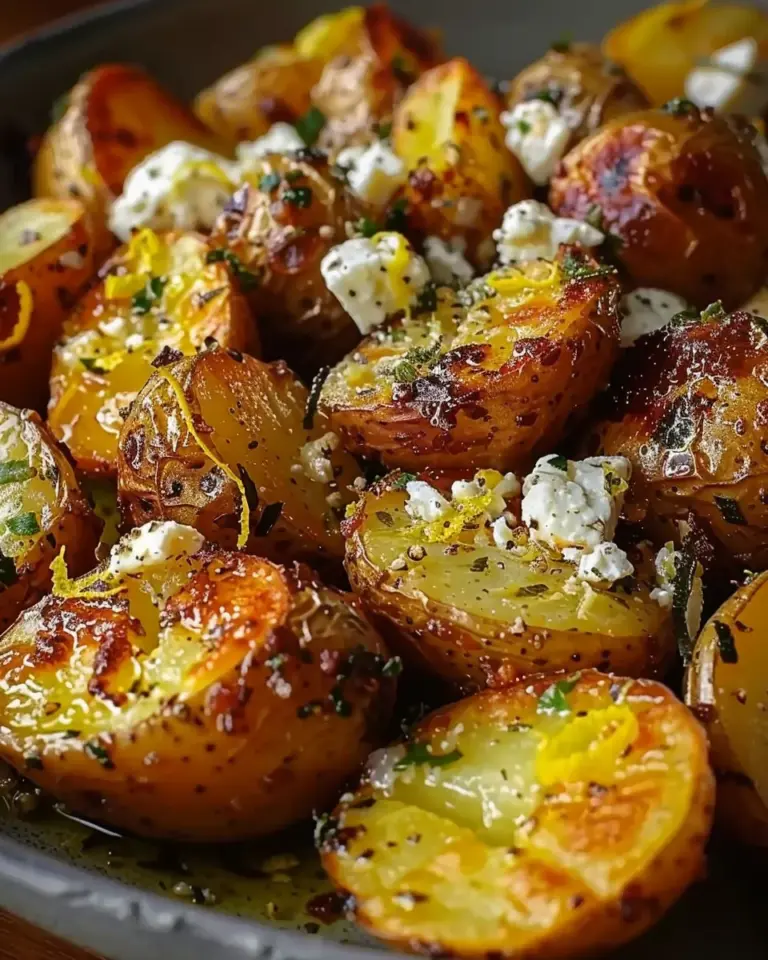
Roasted Baby Potatoes with Rosemary
Crispy roasted potatoes seasoned with rosemary and olive oil add a satisfying bite. These complement the soft texture of the egg dish.
Sliced Avocado and Tomato Salad
A quick avocado salad with lime juice, salt, and cherry tomatoes brings creaminess and acidity. It’s light and refreshing.
Warm Pita or Flatbread with Olive Oil & Herbs
Serve warm pita brushed with olive oil and sprinkled with za’atar or dried oregano. This matches the Mediterranean flavors of the dish.
Greek Yogurt with Honey and Toasted Walnuts
A small bowl of thick Greek yogurt drizzled with honey and topped with walnuts offers a sweet contrast to the savory bake.
Fruit Platter – Seasonal Berries & Melon
A colorful array of fresh fruits like strawberries, blueberries, grapes, and cantaloupe adds freshness and visual appeal to your table.
Smoked Salmon Platter with Capers & Red Onion
Add a luxe touch with a smoked salmon side, accompanied by lemon wedges, thin red onion slices, and capers. It creates a brunch spread worthy of any occasion.
Fresh Squeezed Orange Juice & Berry Smoothie
Pair the dish with a citrus-forward smoothie or freshly squeezed juice for natural sweetness and acidity. This helps balance the rich feta and eggs.
Get the Most Out of Your Baked Feta Eggs
Perfecting your baked feta eggs comes down to the little details. These tips will help you get the most flavor, the best texture, and a satisfying experience from prep to leftovers.
Pro Recipe Tips
- Use block feta instead of crumbled for better texture and melt.
- Rinse and dry spinach thoroughly to avoid excess moisture in the bake.
- Chop vegetables evenly for uniform cooking and presentation.
- Let eggs come to room temperature before cracking to prevent uneven baking.
- Bake on a middle oven rack for consistent heat distribution.
- Season lightly—remember, feta is already salty. Adjust at the end if needed.
- Don’t skip the olive oil—it enhances the roasted flavor of the vegetables and helps the feta soften.
- Fresh herbs like basil or chives add color and brightness just before serving.
Storage Instructions
Have leftovers? Baked feta eggs can be stored and reheated with ease if done correctly.
- Cool slightly before transferring to an airtight container.
- Store in the refrigerator for up to 3 days.
- If made in ramekins, you can cover each dish tightly with foil or plastic wrap and refrigerate as-is.
- Avoid storing with bread to prevent sogginess—store bread separately.
Reheating Instructions
Proper reheating maintains flavor and texture.
- Oven Method (recommended):
- Preheat oven to 350°F (175°C).
- Place dish or ramekins in oven and heat for 8–10 minutes.
- Cover with foil to prevent drying out if reheating longer.
- Microwave Method:
- Transfer portion to a microwave-safe plate.
- Heat on medium power for 60–90 seconds.
- Let sit for 1 minute before eating.
- Note: Egg yolks may firm up more with microwave use.
Freezing Advice
Freezing is not ideal for dishes with cooked eggs and feta, as texture suffers. However, you can:
- Make ahead through step 5 (before eggs are added).
- Freeze the vegetable and feta mix in a sealed container.
- When ready, thaw in refrigerator, then add eggs and bake as directed.
Frequently Asked Questions (FAQs)
Your Questions About Baked Feta Eggs Answered
Can I use other cheeses besides feta?
Yes. While feta cheese provides a salty, creamy balance, other options include:
- Goat cheese (softer, tangier)
- Boursin (herbed and creamy)
- Ricotta or mozzarella (for a milder version)
Is this dish low-carb or keto-friendly?
Yes. Without the bread, baked feta eggs are naturally low in carbohydrates and suitable for keto diets. Pair with avocado instead of toast for a full keto meal.
Can I make it ahead of time?
Yes, with some adjustments. Prepare through step 5 and refrigerate overnight. In the morning, add spinach, crack the eggs, and bake as directed.
What’s the best way to tell when the eggs are cooked?
Look for:
- Egg whites: fully opaque and firm
- Yolks: jiggly for soft centers, or firm if baked a few minutes longer
Use a spoon to check the center of the dish—yolks should still move slightly for softer centers.
What if I don’t have ramekins?
Use a standard 8×8 or 9×11-inch baking dish. Just be sure to space out the eggs evenly and allow proper bake time.
Can I make this gluten-free?
Absolutely. The base recipe is gluten-free. Just serve with gluten-free bread or omit the bread entirely.
What vegetables can I substitute?
You can swap or add:
- Zucchini
- Mushrooms
- Kale or Swiss chard (pre-wilted)
- Sun-dried tomatoes (for extra flavor punch)
Can I add protein like bacon or sausage?
Yes. Cook meat fully before adding it to the dish. Crumbled sausage or chopped bacon can be layered in with the veggies before baking.
Why does my feta stay firm and not melt?
Use high-quality block feta for best results. Some feta varieties are drier and don’t soften well in the oven. Greek feta in brine is preferred.
What type of bread is best for dipping?
Choose hearty, crusty bread such as:
- Baguette
- Sourdough
- Rustic Italian loaf
- Warm pita slices
These help soak up the savory juices and melted cheese without falling apart.