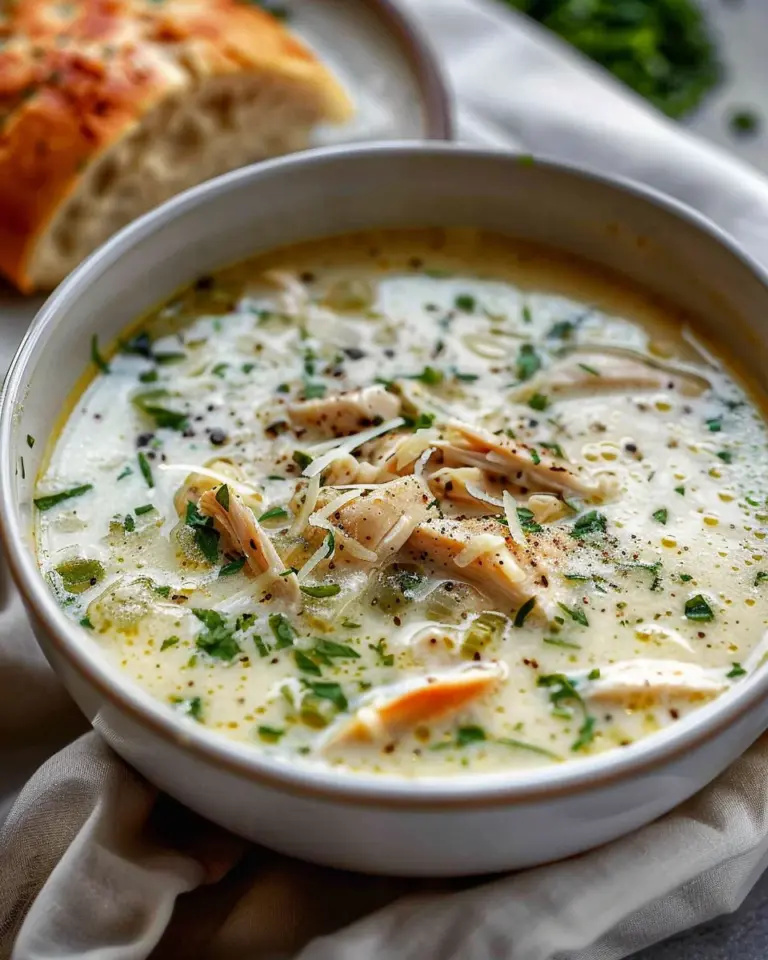
Chinese Chicken Noodle Soup
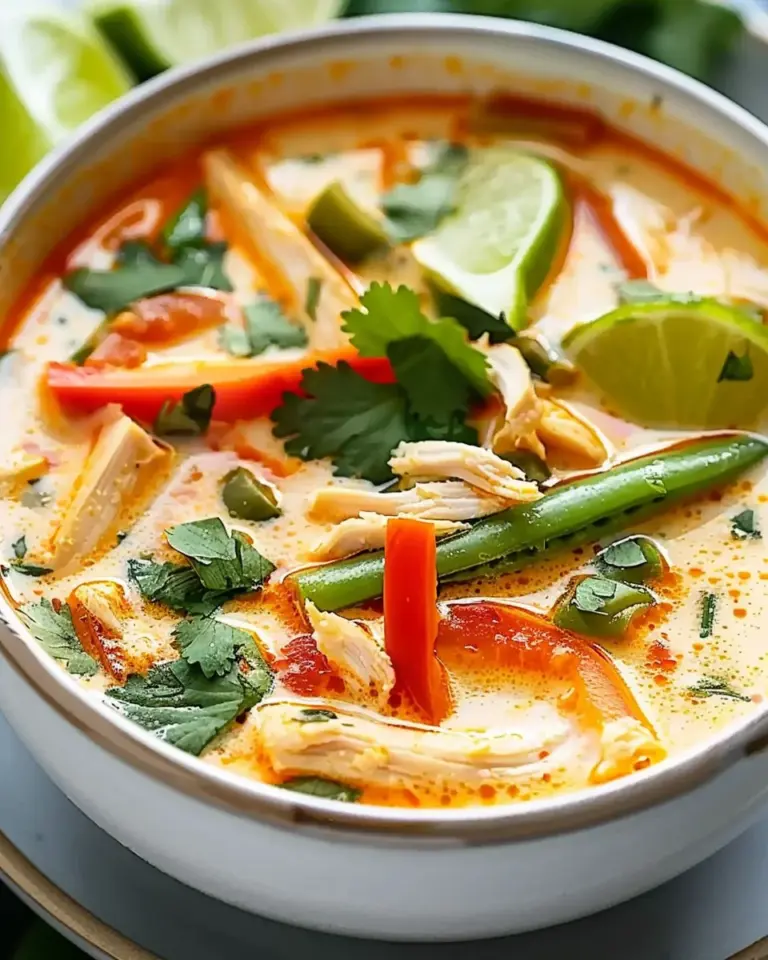
Chinese Chicken Noodle Soup is a soul-warming dish that blends the depth of Chinese aromatics with the simplicity of noodles and tender chicken. This isn’t your average Western-style chicken noodle soup — it’s layered with garlic, ginger, cumin seeds, Sichuan peppercorns, and a splash of Shaoxing wine. The broth is rich, the noodles perfectly chewy, and the whole experience brings the essence of Chinese home cooking into one comforting bowl.
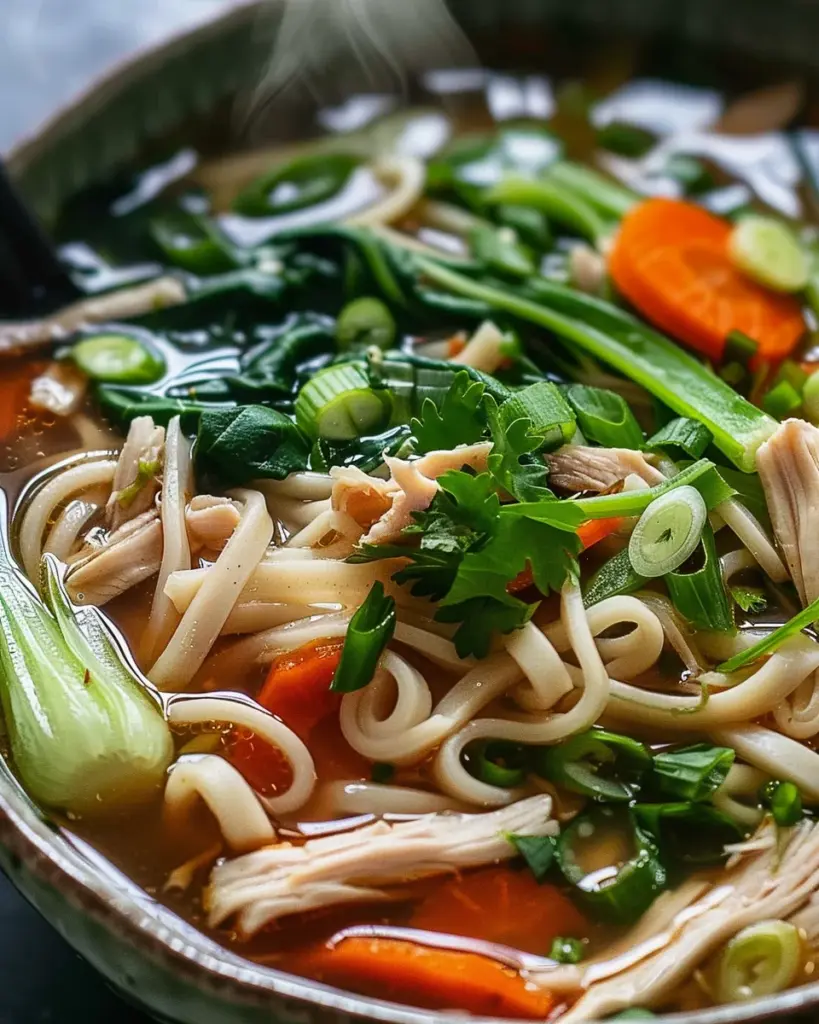
Whether you’re fighting off a cold, warming up after a chilly day, or simply craving a flavorful and light meal, this soup delivers satisfaction. It’s a quick, one-pot recipe that fits seamlessly into busy weeknights or relaxed weekend lunches. With its aromatic broth and customizable toppings, it’s a dish you’ll return to again and again.
Why readers will love it:
- Deeply aromatic and soothing
- Quick prep and short cooking time
- Customizable with toppings and noodles
- Healthier and lighter than creamy alternatives
- Comforting yet vibrant with Chinese flavors
Preparation Phase & Tools to Use
Essential Tools and Equipment
To prepare Chinese Chicken Noodle Soup efficiently, these tools are essential:
- 3.5-quart pot or Dutch oven – Holds heat well and is ideal for making broth.
- Tongs – To easily turn and remove chicken pieces.
- Mesh strainer or colander – For removing solid aromatics from broth.
- Noodle-cooking pot – Keeps noodles separate, avoiding over-absorption.
- Sharp knife and cutting board – For preparing vegetables and aromatics.
- Measuring spoons/cups – To maintain precise flavor balance.
- Forks – For shredding cooked chicken.
- Soup bowls – Deep enough for serving broth, noodles, and toppings.
Importance of Each Tool
- Heavy-bottomed pot ensures even cooking and helps avoid scorching the broth.
- Tongs make handling hot chicken safe and simple.
- Mesh colander removes bits of garlic, ginger, and peppercorns for a smooth, clear broth.
- Cooking noodles separately avoids turning your broth into a starchy, cloudy mess.
- Sharp tools enhance prep efficiency and maintain ingredient texture.
- Measuring devices help with consistent seasoning and taste.
- Forks let you easily shred chicken to the right size for soup.
- Proper bowls keep the soup hot and offer an inviting presentation.
Preparation Tips
- Use bone-in, skin-on chicken thighs for maximum broth flavor.
- Smash garlic and slice ginger instead of mincing—this boosts infusion without overpowering the broth.
- Sear the chicken briefly before simmering to develop deeper flavor.
- Use fresh cilantro stems during broth-making; reserve leaves for garnish.
- Add soy sauce at the end to control saltiness based on your broth.
- Do not cook noodles in broth — they will absorb liquid and break down the texture.
Ingredients
For the Broth
- 1 teaspoon olive oil (or chicken fat)
- 2 bone-in, skin-on chicken thighs (or boneless thighs)
- 4 cloves garlic, smashed
- 1-inch piece ginger, sliced
- 1 green onion, halved
- ½ teaspoon cumin seeds
- ½ teaspoon Sichuan peppercorns (or black peppercorns)
- 1 teaspoon Shaoxing wine (or dry sherry)
- 4 cups chicken broth (low-sodium preferred)
- ½ bunch fresh cilantro, including leaves and stems (about 1 cup packed)
- 1 bay leaf
For the Soup
- ½ teaspoon soy sauce (or to taste)
- 3 oz dried noodles (see variation note)
- 1 carrot, thinly sliced
- 3 baby bok choy, quartered or cut lengthwise into 6
- 2 tablespoons fresh cilantro, chopped (for garnish)
Notes and Variations
- Quick version: Mince aromatics and use powdered spices; skip straining step.
- Noodle substitution: Fresh noodles require about 4 oz due to reduced expansion during cooking.
- Time-saving tip: Use 2 cups of shredded rotisserie chicken and skip simmering chicken thighs altogether.
Step-by-Step Directions
- Sear the chicken.
Heat the olive oil in a 3.5-quart pot over medium heat. Add the chicken thighs skin-side down. Cook undisturbed for 1 minute until lightly browned. - Add aromatics.
Flip the chicken. Add smashed garlic, sliced ginger, halved green onion, cumin seeds, and Sichuan peppercorns. Stir occasionally and cook for 1 minute until fragrant. - Deglaze and build the broth.
Pour in Shaoxing wine, followed by chicken broth. Add cilantro stems and bay leaf. Bring to a boil over medium-high heat. - Simmer.
Once boiling, reduce the heat. Cover and simmer gently for 20 minutes. - Cook the noodles separately.
In another pot, boil water and cook noodles according to package instructions. Drain and set aside. - Shred the chicken.
Remove chicken from broth using tongs. Let cool slightly. Discard the skin and shred the meat using two forks. - Strain the broth.
Pour the broth through a mesh colander to remove solids, then return the broth to the pot. - Adjust the seasoning.
Add soy sauce and taste the broth. Adjust with more soy sauce or salt if needed. Bring back to a boil. - Cook the vegetables.
Add carrots to the boiling broth. Cook for 3 minutes. Then add bok choy and cook 1 additional minute, just until wilted. - Combine and serve.
Add the shredded chicken back to the pot and stir to warm through.
Divide cooked noodles between serving bowls. Pour hot broth, chicken, and vegetables over the noodles. Garnish with chopped cilantro.
Bringing It to the Table
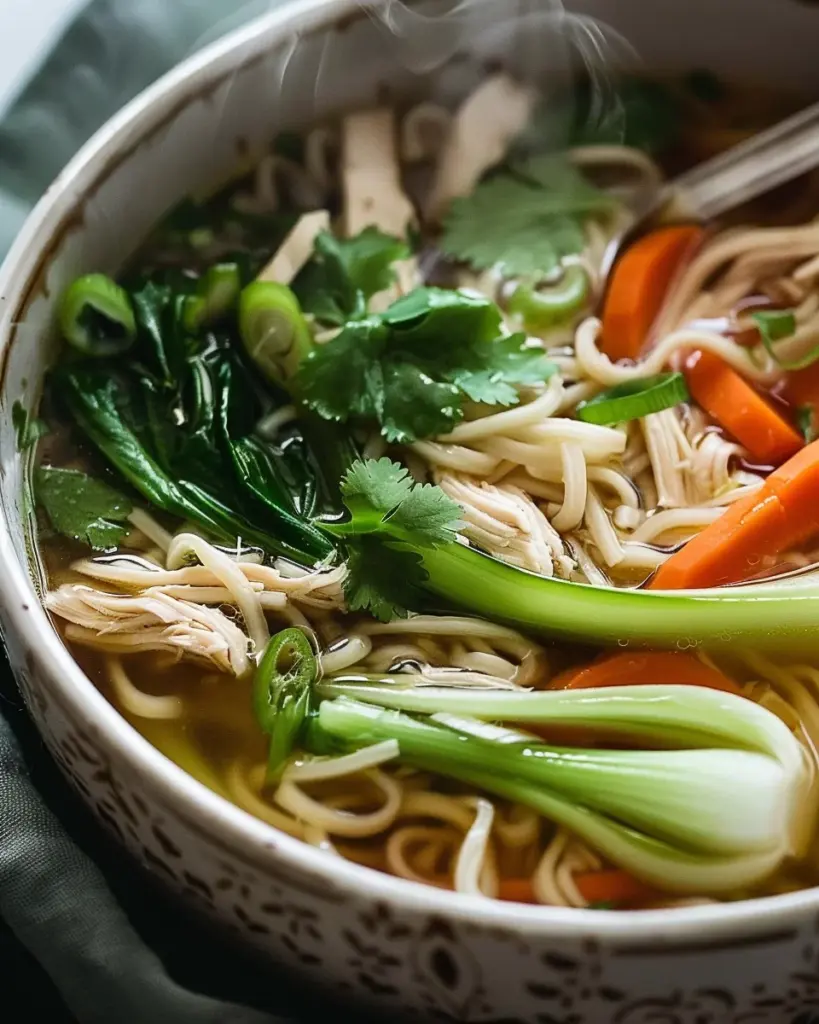
Chinese Chicken Noodle Soup is best enjoyed piping hot, with tender noodles, crisp vegetables, and aromatic broth in perfect harmony. The flavors are delicate yet bold, so the presentation and accompaniments can elevate the entire experience.
Serving Suggestions
- Serve in deep bowls to retain heat and showcase all the layers — noodles, broth, chicken, and greens.
- Garnish with fresh cilantro and a swirl of chili oil if desired.
- Add a drizzle of sesame oil or soy sauce at the table for enhanced depth.
- Offer condiments such as sliced scallions, extra chili oil, black vinegar, or pickled chilies on the side.
- Pair with tea like jasmine or oolong for a light, refreshing beverage.
- Make it a meal by adding Chinese side dishes that complement the texture and flavors of the soup.
Common Mistakes To Avoid & How to Perfect the Recipe
Avoid These Pitfalls
- Cooking noodles in the broth
This causes the noodles to absorb liquid and turn mushy.
Fix: Always cook noodles separately and add them just before serving. - Skipping the sear on chicken thighs
The sear adds depth and umami to the broth.
Fix: Brown chicken for a richer, more complex flavor. - Using only boneless chicken
While faster, it lacks the bone marrow richness.
Fix: Use bone-in, skin-on thighs or supplement with broth made from bones. - Overcooking bok choy
It quickly becomes limp and dull.
Fix: Add bok choy in the last minute of cooking to retain crunch and color. - Not straining the broth
Leaving in garlic, ginger, or spices results in gritty texture.
Fix: Use a mesh strainer to remove solids after simmering. - Adding soy sauce too early
This can lead to an overly salty broth.
Fix: Adjust seasoning at the end, after tasting. - Allowing noodles to sit in the broth
They’ll swell and ruin the texture.
Fix: Assemble bowls at the last moment.
How to Perfect Your Soup
- Use homemade or high-quality low-sodium broth.
- Let the chicken rest briefly before shredding to retain moisture.
- For richer broth, simmer chicken longer or add more bones.
- Toast spices briefly before adding liquid to activate oils.
- Taste at every step, especially before final seasoning.
Side Dish Recommendations
Pairing Chinese Chicken Noodle Soup with the right sides can enhance the overall meal. Here are eight excellent choices:
1. Steamed Pork and Chive Dumplings
Soft, savory dumplings complement the lightness of the soup and add a satisfying texture contrast. Serve with black vinegar and chili oil.
2. Cucumber Salad with Garlic & Sesame
A chilled, crunchy side that balances the warmth of the soup. Quick to prepare and refreshingly light.
3. Stir-Fried Baby Bok Choy with Garlic
Doubling up on bok choy brings balance and ensures added greens. Garlic adds punch and matches the soup’s profile.
4. Szechuan Spiced Green Beans
Crispy beans stir-fried with chili flakes and Sichuan peppercorns provide a spicy contrast to the mild broth.
5. Soy-Marinated Soft-Boiled Eggs
These eggs bring umami and texture. Their runny yolk pairs beautifully with the broth if served directly in the soup.
6. Scallion Pancakes
Flaky, crispy, and lightly chewy, scallion pancakes are a filling and flavorful side. Dip them in soy sauce or vinegar.
7. Pickled Radish and Carrot
Quick pickles add tang and a crisp texture that refresh the palate between bites of soup.
8. Chinese Tea Eggs
These hard-boiled eggs, marinated in tea and soy sauce, deliver deep savory flavor and visua
Recipe Tips
- Use bone-in chicken for better broth. Skin and bones provide gelatin and deep flavor that boneless cuts can’t match.
- Toast spices briefly before adding liquids to release aromatic oils and boost depth.
- Cilantro stems are powerful. Use both stems and leaves in the broth, reserving fresh leaves for garnish.
- Adjust the soy sauce at the end. This ensures the broth doesn’t get too salty during simmering.
- If using rotisserie chicken, add it at the end to warm through — this saves time without sacrificing protein.
- Cook noodles separately. This prevents them from turning soggy or soaking up too much broth.
- Add bok choy at the very end. It cooks in under a minute and stays crisp and vibrant when not overdone.
Storage Instructions
- Separate components for storage. Store broth, chicken, and noodles in different containers to preserve texture and flavor.
- Refrigerate broth in an airtight container for up to 3 days.
- Freeze broth (without noodles or vegetables) for up to 3 months. Use freezer-safe containers and leave room for expansion.
- Chicken can be stored separately in the fridge for up to 3 days. If using rotisserie chicken, avoid re-freezing.
- Do not store soup with noodles already mixed. They will absorb liquid and become mushy over time.
Reheating Instructions
- Reheat broth slowly over medium heat until simmering.
- Reheat chicken in the broth just until warmed through to avoid overcooking.
- Re-cook fresh noodles or warm pre-cooked noodles separately and combine just before serving.
- Reheat only what you plan to eat. Repeated reheating can degrade the flavor and texture of both broth and chicken.
- Add fresh garnishes like cilantro or green onions only after reheating to maintain freshness and aroma.
Frequently Asked Questions
Q: Can I use boneless chicken instead of bone-in?
Yes, but the broth may be less flavorful. To enhance taste, use high-quality broth or add a splash of chicken bouillon concentrate.
Q: What noodles work best for this soup?
Thin wheat noodles, egg noodles, or Chinese-style lo mein noodles are ideal. Fresh noodles are preferred but dried work well too.
Q: Can I skip straining the broth?
You can, but the texture will be less refined. Straining removes solid aromatics, resulting in a cleaner broth.
Q: Can I make it vegetarian?
Yes. Replace chicken broth with vegetable broth, and use tofu or mushrooms instead of chicken. Adjust seasonings for balance.
Q: Is it spicy?
The base recipe is not spicy. If you want heat, add chili oil, fresh chilies, or extra Sichuan peppercorns.
Q: Can I prepare it in advance?
Yes. Make and store the broth and chicken ahead of time. Reheat and cook noodles fresh before serving.
Q: Why is my broth cloudy?
It may be due to high-heat boiling or unskimmed fat. Simmer gently and strain carefully for a clearer result.
Q: Can I freeze this soup?
You can freeze the broth and chicken, but not the noodles or vegetables. Freeze in batches and defrost overnight before use.