easy Minestrone Soup
Easy minestrone soup is a beloved Italian classic known for its robust flavors, wholesome ingredients, and nourishing qualities. This one-pot soup brings together a medley of vegetables, two types of beans, and tender pasta all simmered in a rich, seasoned tomato broth. It’s a flexible and satisfying dish perfect for all seasons and dietary preferences.
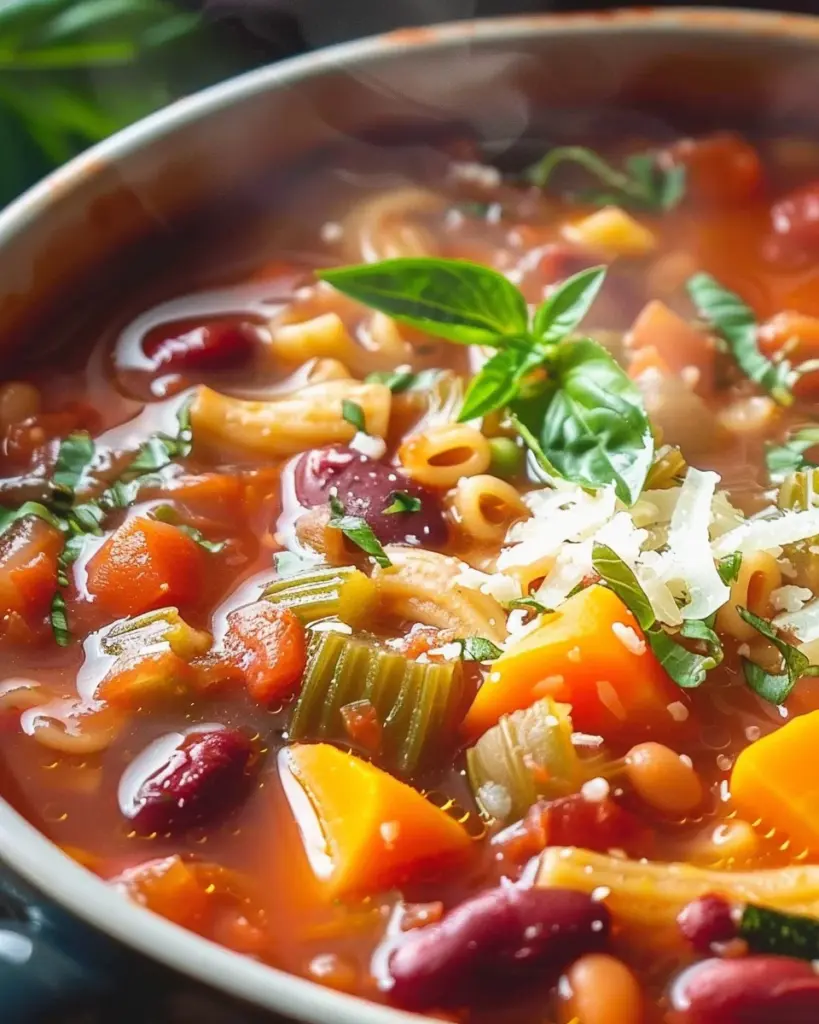
This recipe stands out for its:
- Simplicity – minimal prep, straightforward steps, no complex techniques.
- Versatility – use seasonal or leftover vegetables, adapt to what you have.
- Nutrition – packed with fiber, plant-based protein, and essential vitamins.
- Crowd appeal – hearty enough for meat-eaters, yet fully vegetarian-friendly when made with vegetable broth.
What makes it even more lovable is how well it stores and tastes even better the next day. Whether you’re meal prepping or feeding a hungry family, this dish delivers comfort and nourishment in every spoonful.
Preparation Phase & Tools to Use
Essential Tools and Equipment
To make easy minestrone soup with efficiency and ease, gather the following kitchen tools:
- Large soup pot or Dutch oven – ideal for even cooking and enough volume.
- Wooden spoon or spatula – for stirring aromatics and keeping the pasta from sticking.
- Chef’s knife – sharp enough to chop vegetables quickly and uniformly.
- Cutting board – essential for clean and safe vegetable prep.
- Measuring cups and spoons – for accurate portioning.
- Colander – for draining canned beans thoroughly.
- Ladle – to serve portions cleanly and efficiently.
Optional equipment:
- Instant Pot or slow cooker – for alternate cooking methods and hands-free simmering.
Importance of Each Tool
- A large soup pot prevents overcrowding and allows proper heat distribution during simmering.
- A chef’s knife ensures consistent cuts for even cooking and professional presentation.
- A colander helps remove excess sodium and liquid from canned beans, balancing the broth.
- A ladle makes serving mess-free and portion-controlled.
- A Dutch oven retains heat better and enhances flavor development during the sautéing phase.
These tools not only make preparation easier but also help you achieve consistent, flavorful results.
Preparation Tips
Before you begin cooking, consider these tips to enhance flavor and efficiency:
- Prep all ingredients before cooking (mise en place): Chop vegetables, open cans, and measure spices in advance.
- Cut vegetables into uniform sizes so they cook evenly and blend well with the pasta and beans.
- Sauté the aromatics properly: Let the onion, celery, and carrot soften to develop a flavorful base (the Italian soffritto).
- Adjust seasoning last: Add salt and pepper toward the end to avoid over-salting after the broth reduces.
- Watch the pasta: It will absorb liquid quickly. Stir often and consider cooking it separately if storing or freezing the soup.
- Use fresh herbs like basil only at the end for brightness and freshness.
- Don’t skip the parmesan garnish unless making the dish vegan. It adds depth and umami.
Ingredients
Here is a clear and organized ingredient list for easy minestrone soup:
Oils and Aromatics:
- 1 tablespoon olive oil
- 1 tablespoon butter
- 1 medium onion, chopped
- 2 sticks celery, chopped
- 3 medium carrots, peeled and sliced
- 3 cloves garlic, minced
Base and Liquid:
- 1 (28-ounce) can crushed tomatoes
- 4 cups chicken broth or vegetable broth
Vegetables and Legumes:
- 1 small zucchini, chopped
- 1 cup chopped fresh green beans
- 1 (14-ounce) can red kidney beans, drained
- 1 (14-ounce) can white kidney (cannellini) beans, drained
Seasoning and Pasta:
- ½ teaspoon Italian seasoning
- ¾ cup uncooked elbow macaroni
- Salt and pepper to taste
Garnish (optional):
- Fresh basil, to taste
- Freshly grated parmesan cheese, to taste
Each ingredient contributes to the soup’s texture, color, and flavor balance. Using high-quality broth and fresh vegetables ensures the best result.
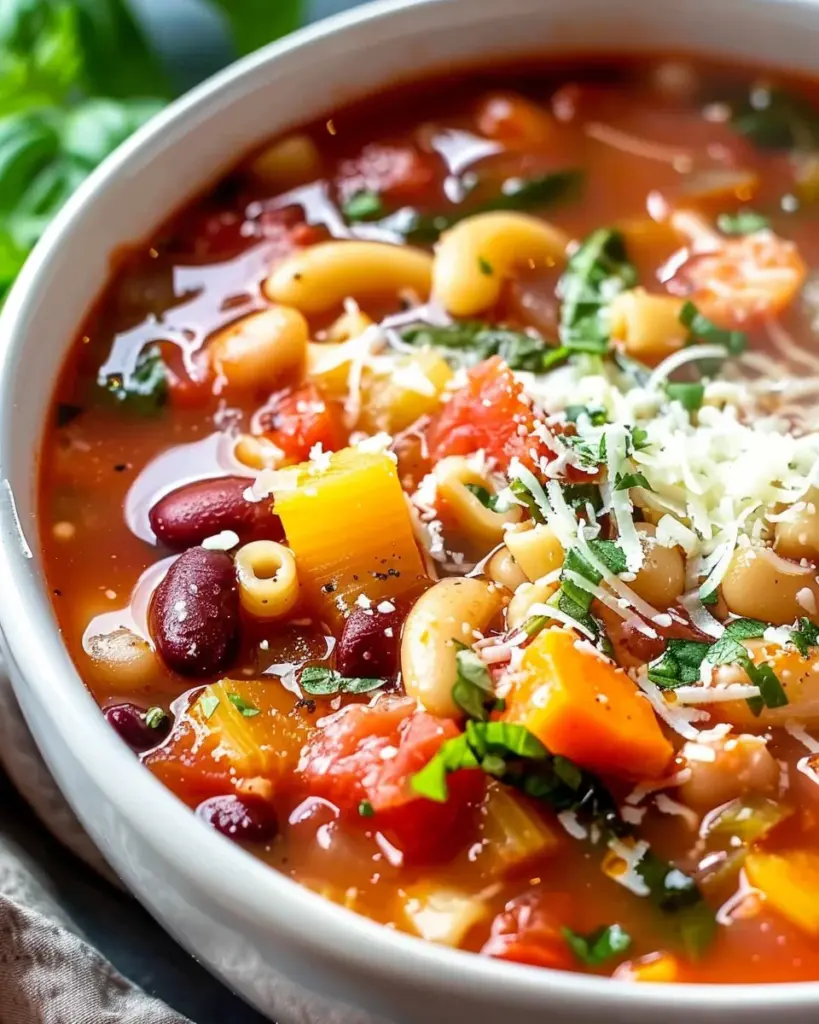
Step-by-Step Directions
- Sauté aromatics
In a large soup pot, heat the olive oil and butter over medium heat. Add the chopped onion, celery, and carrots. Sauté for 7–10 minutes, stirring occasionally, until vegetables are softened but not browned. Add the garlic and cook for another 30 seconds until fragrant. - Add base ingredients
Stir in the crushed tomatoes, chicken or vegetable broth, chopped zucchini, green beans, both types of beans, and Italian seasoning. Increase the heat to high and bring the soup to a boil. - Simmer vegetables
Once boiling, reduce the heat to low. Cover the pot with the lid slightly ajar and simmer for 10 minutes to let the vegetables soften and flavors blend. - Cook the pasta
Stir in the uncooked elbow macaroni. Leave the lid off and continue simmering for 15–20 minutes, or until the pasta and vegetables are fully tender. Stir occasionally to prevent pasta from sticking to the bottom of the pot. - Season and finish
Taste the soup and season generously with salt and pepper. Stir in fresh chopped basil if using. Ladle the soup into bowls and top each serving with freshly grated or shaved parmesan cheese. - Adjust thickness if needed
The soup should be hearty and thick, but if it feels too dense (especially after sitting), add a splash of broth or water to loosen the texture.
Variations and Tips
- Use small pasta shells or ditalini for a slightly different texture.
- Swap in chickpeas or black beans for the kidney beans if preferred.
- Add a handful of spinach or kale in the last few minutes for extra greens.
- For a spicy version, add a pinch of red pepper flakes during the sautéing phase.
- To make it vegan, omit the butter and parmesan. Use plant-based cheese if desired.
- If planning to freeze, cook pasta separately and add when reheating to prevent mushy texture.
Serving Suggestions
Easy minestrone soup is incredibly versatile and fits seamlessly into a wide range of meals. Its hearty, rich tomato broth and tender pasta make it satisfying on its own, yet it’s also an ideal foundation for a fuller spread. Here are the best ways to serve and enjoy it:
- Serve hot in wide, shallow bowls to allow cooling and flavor concentration.
- Top with freshly grated parmesan cheese and chopped fresh basil for added depth.
- Add a drizzle of extra virgin olive oil for a silkier mouthfeel and elevated aroma.
- Pair with crusty bread like ciabatta, sourdough, or Italian baguette to soak up the savory broth.
- Serve with a fresh salad to balance the warm, savory notes with something crisp and refreshing.
- Offer red pepper flakes or a garlic oil drizzle on the side for guests who prefer a bit of heat.
- For lunch leftovers, pour over cooked rice or quinoa to create a filling grain bowl.
- Make it part of a larger Italian-inspired meal, including appetizers and a light dessert.
This soup truly shines with thoughtful accompaniments that enhance its natural flavors without overpowering them.
Common Mistakes To Avoid & How to Perfect the Recipe
Even though easy minestrone soup is forgiving, a few common errors can reduce its quality. Here’s how to avoid them and master the recipe every time.
Mistake 1: Adding All Vegetables at the Same Time
Different vegetables have different cooking times. Adding everything together can lead to overcooked or undercooked components.
Solution:
Add the heartier vegetables like carrots and celery early. Add tender vegetables like zucchini and green beans later.
Mistake 2: Overcooking the Pasta
Pasta in soup can quickly turn mushy, especially during storage or reheating.
Solution:
If planning to store or freeze, cook the pasta separately and add it to individual portions when serving or reheating.
Mistake 3: Using Low-Quality Broth
The broth is the foundation of the soup. Using bland or over-salted store-bought broth can negatively impact flavor.
Solution:
Use a high-quality low-sodium chicken or vegetable broth. Homemade broth is ideal when available.
Mistake 4: Skipping the Sauté Phase
The sauté step (onion, celery, carrot) is key to developing flavor.
Solution:
Always take the time to soften aromatics before adding liquids. It builds richness and complexity.
Mistake 5: Underseasoning
Tomatoes and beans can dull seasoning, resulting in a bland soup.
Solution:
Taste and adjust salt and pepper at the end of cooking. Add fresh basil and parmesan as finishing touches to brighten flavor.
Mistake 6: Not Stirring During Pasta Cooking
Pasta can settle and stick to the bottom of the pot if left unattended.
Solution:
Stir regularly after adding pasta. Keep the lid off for even heat distribution and evaporation.
Mistake 7: Freezing the Soup with Pasta Included
Frozen pasta becomes soggy and unappetizing when thawed and reheated.
Solution:
Freeze the soup without pasta. Cook a fresh batch of pasta when reheating, or freeze them separately.
Final Perfection Tips
- Cut vegetables into similar sizes for uniform cooking.
- Cook pasta al dente if serving immediately.
- Use a combination of red and white beans for color and texture.
- Garnish bowls individually to maintain freshness and flavor balance.
Side Dish Recommendations
To complement easy minestrone soup, serve with side dishes that add variety in texture, flavor, and presentation. These eight ideas pair beautifully with this hearty Italian soup.
1. Crusty Italian Bread
A warm loaf of ciabatta or rustic sourdough is perfect for soaking up the savory broth. Toast lightly and serve with butter or olive oil.
2. Garlic Bread or Focaccia
Garlic bread adds a buttery, aromatic crunch. Focaccia with rosemary and sea salt adds a fragrant, chewy contrast to the soup.
3. Mixed Green Salad with Lemon Vinaigrette
A light salad with arugula, romaine, or baby spinach topped with a lemon vinaigrette refreshes the palate and provides balance.
4. Caprese Salad
Tomato, fresh mozzarella, and basil drizzled with balsamic glaze makes a refreshing, cold contrast to the warm soup.
5. Roasted Brussels Sprouts or Broccoli
Roasted green vegetables with garlic and olive oil add a savory, crispy texture that pairs well with the softness of the soup.
6. Parmesan Polenta Cakes
Lightly fried or baked polenta rounds with parmesan cheese offer a creamy, crispy side that complements the soup’s textures.
7. Grilled Zucchini and Squash
Thin ribbons of grilled seasonal squash add a smoky element and visual appeal without overpowering the soup.
8. Simple Antipasti Platter
A combination of olives, artichoke hearts, roasted red peppers, and marinated mushrooms makes a flavorful, low-effort side for gatherings.
Recipe Tips, Storage and Reheating Instructions
Making easy minestrone soup ahead of time or storing leftovers? These practical tips will help you preserve flavor and texture.
Recipe Tips for Best Results
- Cook pasta separately if storing or freezing: This prevents the pasta from becoming soggy. Add freshly cooked pasta when reheating.
- Use quality broth: Opt for low-sodium, full-bodied chicken or vegetable broth to control salt levels and deepen flavor.
- Balance acidity: If the tomatoes taste too sharp, add a pinch of sugar to soften the broth.
- Add greens at the end: Stir in baby spinach or chopped kale in the last 2 minutes of cooking for added nutrients and color.
- Adjust seasoning after simmering: Taste before serving and season with salt, pepper, and fresh basil or parsley.
- Layer flavors: A squeeze of lemon juice or a drizzle of olive oil can brighten the soup right before serving.
Storage Instructions
- Refrigerator: Let soup cool completely. Store in airtight containers for up to 4 days.
- Freezer: For best texture, freeze the soup without pasta. Store in freezer-safe containers for up to 3 months. Label with the date and portion size.
- Pasta Storage Tip: If freezing, cook and freeze pasta separately or prepare fresh when reheating.
Reheating Instructions
- Stovetop: Transfer soup to a saucepan. Add a splash of broth or water to loosen the consistency. Heat over medium, stirring occasionally until hot.
- Microwave: Place a single serving in a microwave-safe bowl. Cover loosely and microwave in 1-minute intervals, stirring in between. Add liquid if needed.
- Reheat pasta separately: If stored apart, cook pasta fresh or reheat separately before adding to the soup.
These storage strategies preserve both flavor and texture, ensuring the soup remains just as satisfying days later.
FAQs
Q1. Can I make this soup vegetarian or vegan?
Yes. Use vegetable broth instead of chicken broth, skip the butter (use olive oil only), and omit the parmesan or use a vegan alternative.
Q2. Can I use different beans?
Absolutely. While kidney beans and cannellini beans are traditional, chickpeas, borlotti beans, or black beans work well. Use what you have on hand.
Q3. What pasta shapes are best?
Choose small pasta like elbow macaroni, ditalini, or small shells. Avoid long pasta shapes, which don’t mix well in broth.
Q4. Can I prepare this soup in an Instant Pot?
Yes. Sauté the vegetables using the sauté function. Add all ingredients except pasta and pressure cook for 5–7 minutes. Use the sauté function again to cook pasta after pressure is released.
Q5. How do I avoid mushy pasta in leftovers?
Either cook the pasta separately or undercook it slightly and cool the soup quickly. Add extra broth when reheating.
Q6. Can I make this soup gluten-free?
Yes. Use certified gluten-free pasta or substitute rice or quinoa. Always check labels on broth and canned goods.
Q7. What other vegetables can I use?
You can use butternut squash, peas, spinach, kale, or cabbage. Aim for balance in color, texture, and cook time.
Q8. Is this soup freezer-friendly?
Yes. Freeze without pasta for best texture. Thaw overnight in the fridge and reheat gently with fresh or reserved pasta.
Q9. How many servings does this recipe yield?
This recipe makes about 6 generous servings. It can be doubled for batch cooking or large gatherings.
Q10. What makes minestrone different from other vegetable soups?
Minestrone includes pasta or rice, beans, and a tomato-based broth, making it heartier and more nutrient-dense than a typical vegetable soup. It is a flexible Italian recipe with no fixed rules—ideal for using seasonal ingredients.