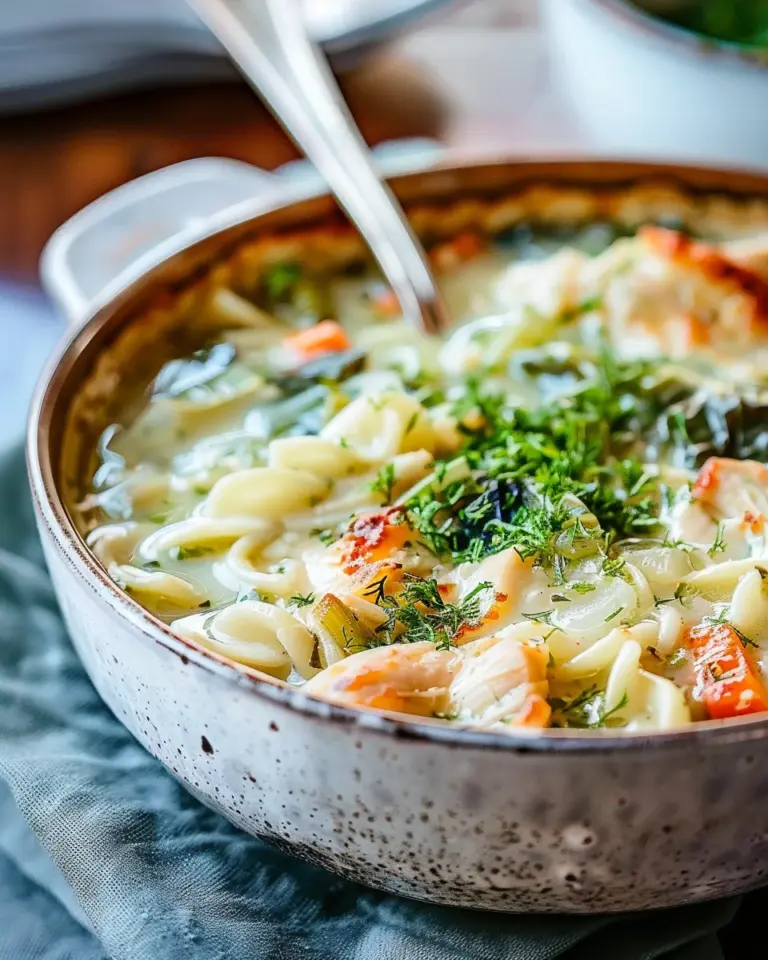
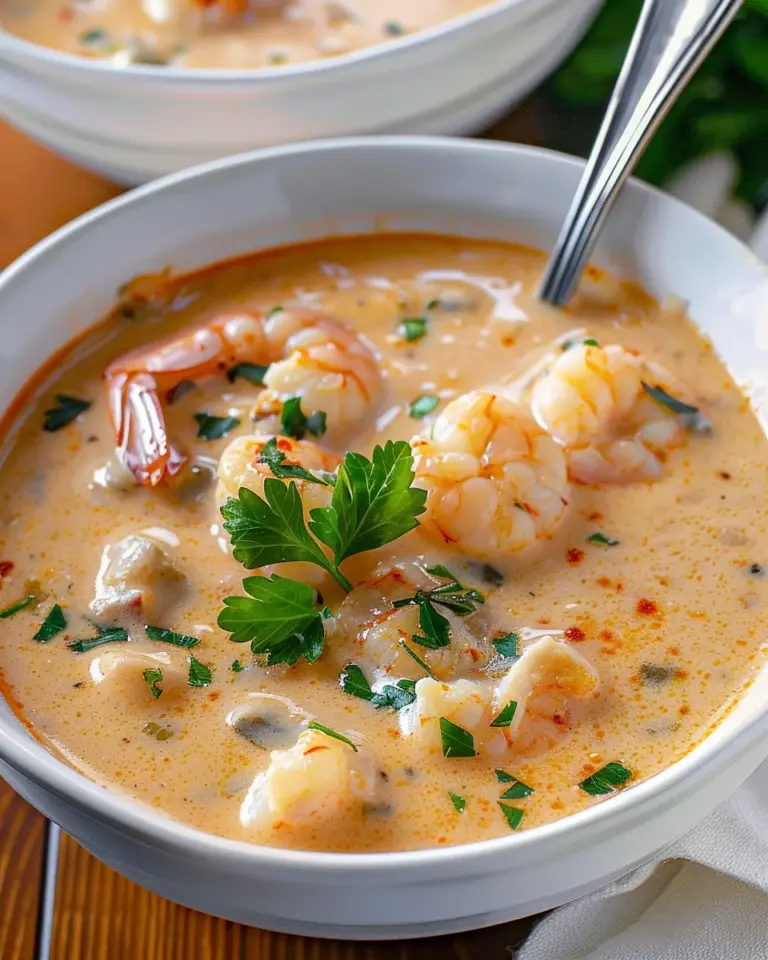
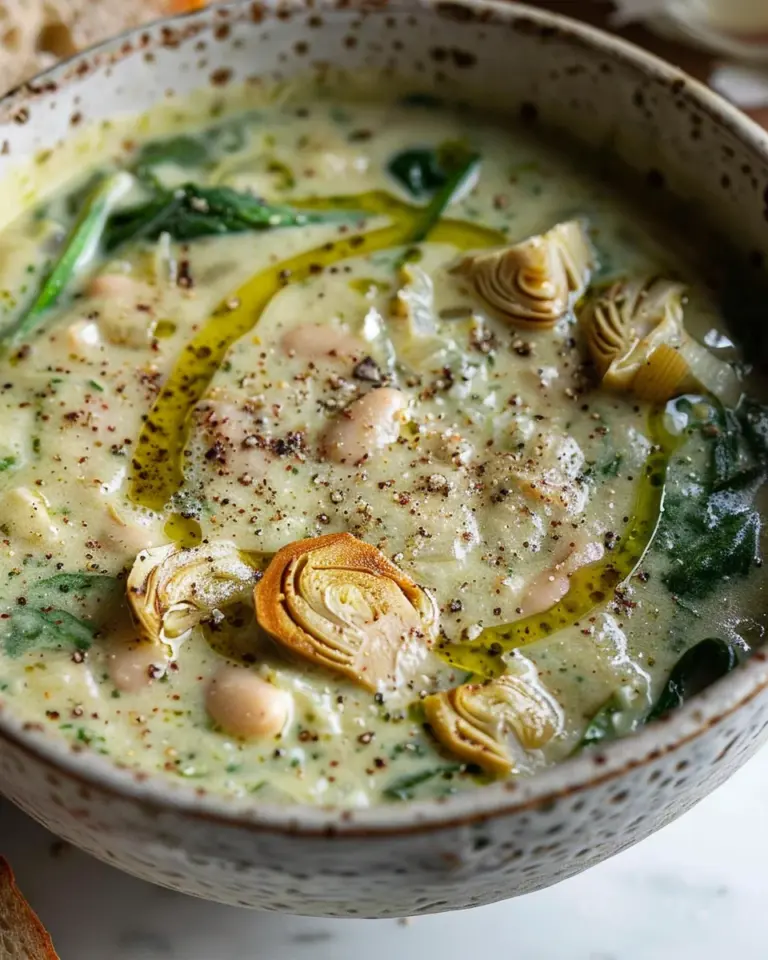
The Best Creamy Seafood Chowder
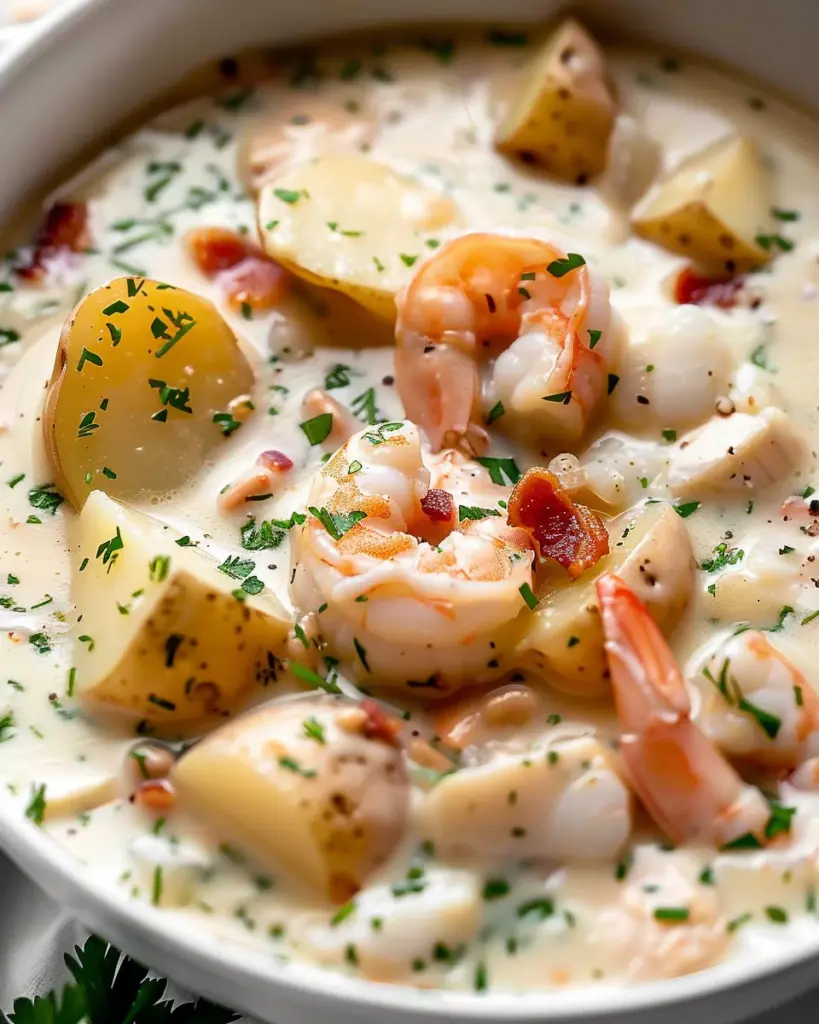
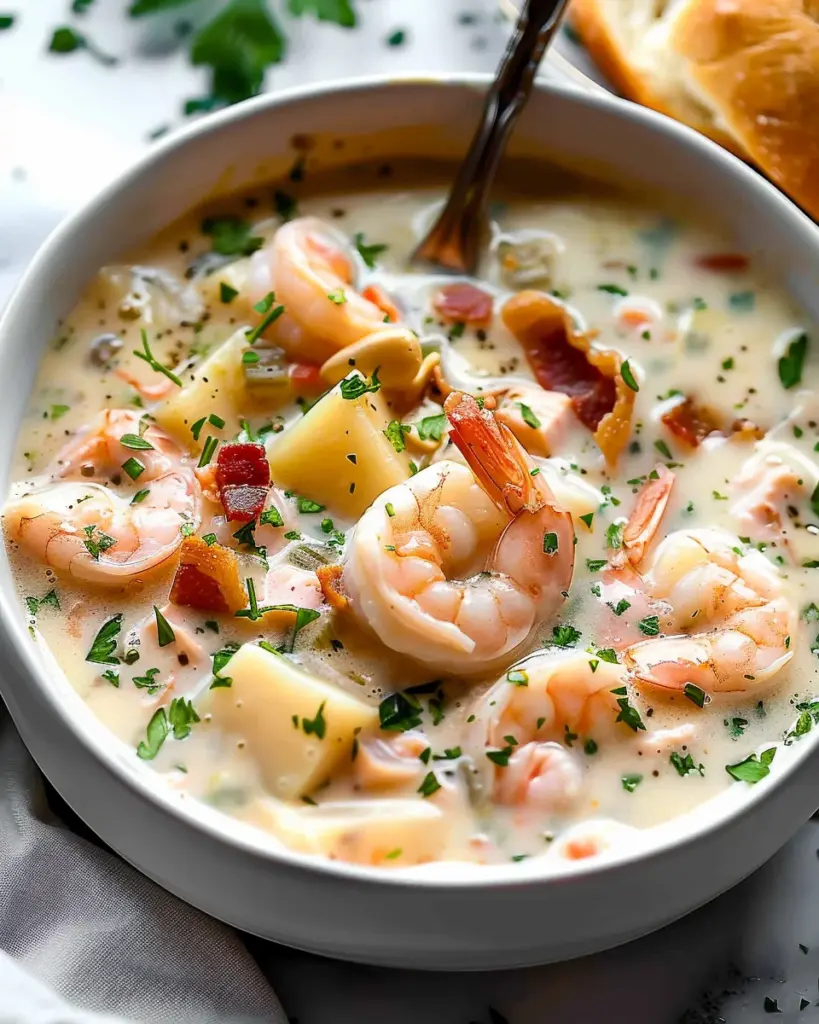
There’s nothing quite like a bowl of creamy seafood chowder on a chilly evening. This dish brings together the luxurious richness of double cream, the savory depth of crispy pancetta or bacon, and the satisfying heartiness of tender shrimp, salmon, and white fish. Balanced with classic aromatics and tender potatoes, this chowder delivers an unforgettable spoonful every time.
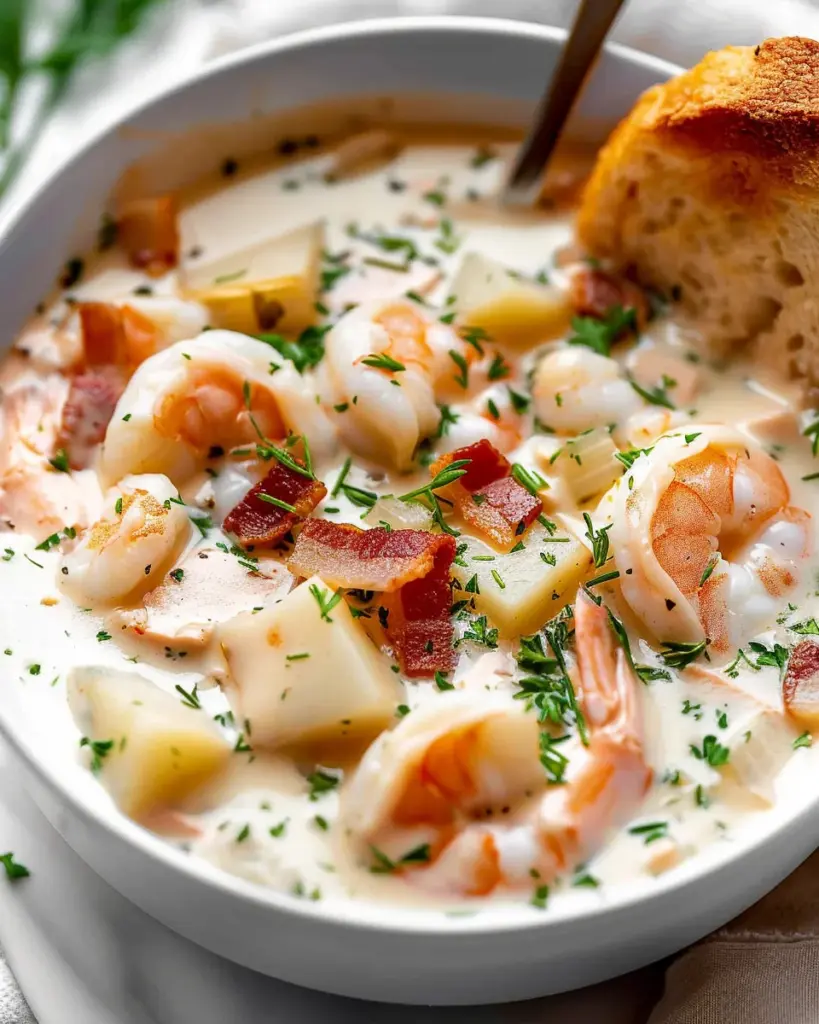
Whether you’re preparing a cosy dinner for family, hosting a gathering, or simply craving a hearty one-pot meal, this seafood chowder is the perfect choice. It captures the essence of comfort food with a sophisticated touch, making it a dish you’ll return to again and again.
Why You’ll Love This Chowder Recipe
- Combines three types of seafood for complex flavor
- Uses crispy pancetta or bacon for a subtle smoky note
- Ready in under an hour, ideal for weeknight meals
- Creamy, hearty, and satisfying without being overly heavy
- Perfect make-ahead dish for entertaining or batch cooking
Preparation Phase & Tools to Use
Essential Tools and Equipment
Before you begin cooking, ensure you have these kitchen tools on hand:
- Large Dutch oven or heavy-bottomed soup pot
Retains heat well and prevents scorching, especially important for cream-based recipes. - Slotted spoon
Used to remove the pancetta or bacon while preserving the flavorful fat. - Whisk
Essential for smoothly incorporating the flour and ensuring a lump-free chowder base. - Sharp chef’s knife and cutting board
For dicing vegetables and seafood cleanly and efficiently. - Measuring cups and spoons
Accuracy in measurement is key for the right texture and seasoning. - Ladle
Makes serving neat and simple. - Optional: Immersion blender
If you prefer a slightly smoother chowder, blend a portion before adding the seafood.
Importance of Each Tool
Every tool plays a role in making this recipe seamless. The Dutch oven helps distribute heat evenly to prevent burning the cream. The whisk ensures your roux binds well with the broth. A sharp knife speeds up prep and ensures uniform cooking. Proper tools mean a smoother cooking process and a better final dish.
Preparation Tips
- Thaw seafood completely in the refrigerator before use.
- Dice vegetables uniformly for even cooking and a balanced texture.
- Pre-measure ingredients to streamline your cooking process.
- Render bacon fat on low heat to maximize flavor without burning.
Ingredients
Organized for simplicity and clarity.
Proteins
- 150 g (5 oz) diced bacon or pancetta
- 1 kg (2 lb) mixed seafood: shrimp, salmon, white fish, shellfish
Vegetables and Aromatics
- 1 large onion, finely chopped
- 2 celery stalks, finely chopped
- 1 medium carrot, finely chopped
- 2 cloves garlic, minced
- 2 large potatoes, diced
Liquids and Thickeners
- 3 tablespoons all-purpose flour
- 1.5 liters (6 cups) seafood or chicken broth
- 200 ml (¾ cup) white wine (optional)
- 500 ml (2 cups) double cream (heavy cream)
Seasonings and Herbs
- Salt and pepper, to taste
- 2 tablespoons chopped fresh parsley
- 1 teaspoon thyme (optional)
Step-by-Step Directions
1. Prepare the Bacon and Vegetables
- In a large pot over medium heat, cook the pancetta or bacon until crispy. Use a slotted spoon to remove and set aside.
- Keep the rendered fat in the pot—this will infuse flavor into the vegetables.
- Add the chopped onion, celery, carrot, and garlic. Sauté until the onions are soft and translucent, about 5 to 7 minutes.
Tip: Do not rush the vegetable sautéing stage. Slow cooking at this point builds deep, savory flavor.
2. Make the Roux
- Sprinkle the flour over the sautéed vegetables.
- Stir continuously for 1–2 minutes, allowing the flour to toast slightly and combine with the fat.
Tip: A well-cooked roux ensures the chowder thickens properly and avoids a raw flour taste.
3. Add the Broth
- Gradually pour in the broth while whisking to eliminate lumps.
- Add the white wine, if using. Bring the mixture to a gentle simmer.
Note: Seafood broth intensifies the marine flavors, but high-quality chicken broth works well if you prefer a milder base.
4. Cook the Potatoes
- Add the diced potatoes and bring to a boil.
- Reduce to a simmer and cook for 10–15 minutes, or until the potatoes are just tender.
Tip: Use waxy potatoes like Yukon Gold for the best texture—they hold their shape during simmering.
5. Add the Seafood
- Add the seafood mixture and gently stir.
- Simmer for 5–10 minutes, until the seafood is cooked through. Shrimp should be pink and firm; fish should flake easily.
Tip: Avoid overcooking seafood—it only needs a few minutes. Add in stages if using different types with varying cooking times.
6. Finish the Chowder
- Stir in the double cream, chopped parsley, thyme (if using), and season with salt and pepper.
- Simmer for 2–3 minutes more, just until everything is heated through.
7. Serve and Garnish
- Ladle into bowls and top with reserved crispy pancetta or bacon.
- Serve immediately with crusty bread or oyster crackers on the side.
Serving Suggestions
Creamy seafood chowder is already a fulfilling, standalone meal. But thoughtful pairings and presentation can elevate the experience further. Whether you’re serving it for a casual weeknight dinner or a special gathering, here are ideas to make the meal feel complete.
Presentation Tips
- Serve in deep bowls to retain heat longer.
- Garnish with freshly chopped parsley and the reserved crispy bacon or pancetta.
- Drizzle a swirl of cream on top for a professional look.
- Offer crusty bread, oyster crackers, or baguette slices on the side.
Beverage Pairing Ideas
- White Wine: A dry white wine such as Chardonnay or Sauvignon Blanc complements the creamy richness.
- Rosé: For a fruitier, more playful pairing.
- Light Beer: A lager or pilsner offers refreshing contrast.
- Sparkling Water with Lemon: Enhances the seafood elements and keeps the palate refreshed.
Occasion Pairings
- Cosy family dinners
- Holiday starters
- Casual dinner parties
- Weekend comfort meals
Common Mistakes To Avoid & How to Perfect the Recipe
Even the best chowder recipes can go wrong if not handled with care. Here’s how to avoid common pitfalls and create a consistently delicious result.
Overcooking Seafood
Problem: Seafood becomes rubbery and loses its natural flavor.
Solution: Add seafood during the final 5–10 minutes of cooking. Simmer gently and watch closely for doneness.
Using Weak Broth
Problem: A bland chowder base with little depth.
Solution: Use a rich seafood stock for bold flavor. If unavailable, a high-quality chicken broth is acceptable but adds a milder tone.
Not Whisking the Roux Properly
Problem: Lumps in the chowder due to improper mixing.
Solution: Sprinkle the flour evenly over vegetables, cook it thoroughly, and slowly whisk in broth while stirring continuously.
Potatoes Breaking Down Too Much
Problem: Overcooked potatoes turn mushy, thickening the soup too much.
Solution: Use waxy potatoes like Yukon Gold. Dice evenly and simmer until just fork-tender.
Choosing Low-Fat Dairy
Problem: Thin, watery chowder lacking in body and flavor.
Solution: Stick with double cream (heavy cream). For a lighter version, combine with full-fat milk—avoid skim or low-fat options.
Forgetting to Taste and Adjust
Problem: Final dish may feel flat or overly salty.
Solution: Taste after adding broth, after the seafood is cooked, and once cream is added. Adjust salt, pepper, and herbs as needed.
Serving Too Soon or Reheating Improperly
Problem: Incomplete flavor development or separated cream.
Solution: Let chowder simmer a few minutes after all ingredients are added. If making ahead, reheat gently on the stovetop without boiling.
Skipping Garnishes
Problem: Chowder feels unfinished or visually flat.
Solution: Always top with crispy pancetta or bacon and a sprinkle of parsley. Optional drizzle of cream adds restaurant-style flair.
Side Dish Recommendations
A hearty chowder doesn’t always need a side, but well-paired dishes can bring contrast, texture, and freshness to the meal. Here are eight top choices.
Crusty Artisan Bread
Nothing beats dipping a thick slice of sourdough or ciabatta into a creamy seafood chowder. Choose a rustic, chewy loaf with a crispy crust.
Mixed Green Salad with Citrus Vinaigrette
A light salad balances the richness of the chowder. Use arugula, baby spinach, or spring greens and dress with lemon or orange vinaigrette.
Roasted Asparagus with Lemon Zest
Asparagus brings brightness and crunch. Roast with olive oil and finish with a grating of fresh lemon zest for acidity.
Garlic Butter Green Beans
Simple and flavorful, these beans add a pop of color and crunch without overshadowing the chowder.
Cornbread Muffins
Sweet and savory cornbread provides a delightful texture contrast and Southern-inspired twist.
Steamed Broccoli with Chili Flakes
Adds vibrant green color and a subtle kick of heat. Keeps the meal light yet satisfying.
Classic Caesar Salad
Romaine lettuce, creamy Caesar dressing, croutons, and parmesan add crunch and saltiness that works well alongside chowder.
Oven-Baked Parmesan Potato Wedges
An extra serving of potato, but crisp and seasoned. Ideal for larger gatherings or guests who enjoy bold textures.
Recipe Tips, Storage and Reheating Instructions
Mastering creamy seafood chowder involves not just cooking it right the first time, but also knowing how to store and reheat it correctly. This ensures every bowl remains just as satisfying the next day.
Essential Recipe Tips
- Use high-quality seafood: Fresh is best, but if using frozen, thaw it overnight in the refrigerator. Rinse and pat dry before adding.
- Uniform chopping is key: Dice your vegetables and potatoes evenly to ensure consistent cooking and balanced texture.
- Render bacon or pancetta slowly: Cook over medium heat to draw out more flavor without burning the fat.
- Build flavor in stages: Taste after adding broth, then again after seafood and cream are incorporated.
- Don’t rush the simmering: Let the potatoes cook gently; avoid boiling after the cream is added.
- Use waxy potatoes: They hold shape better and don’t dissolve into the broth.
- Add seafood last: Prevent overcooking by adding it near the end of the cooking process.
- Stir gently after seafood is added: This helps maintain the integrity of delicate fish pieces.
Storage Instructions
- Cool properly: Let chowder come to room temperature before storing (within two hours of cooking).
- Refrigerate safely: Store in an airtight container for up to 3 days.
- Avoid letting it sit out: Cream-based chowders spoil quickly if left unrefrigerated for long periods.
Freezing Guidelines
While chowder can technically be frozen, cream and seafood don’t always thaw well together.
- To freeze successfully: Prepare the chowder without the seafood and cream. Freeze the base, then add fresh seafood and cream when reheating.
- Thaw slowly: Move the chowder base to the refrigerator 24 hours before reheating.
Reheating Instructions
- Stovetop method: Gently warm over low heat, stirring often. Do not let it boil, as cream may separate and seafood can become rubbery.
- Add liquid if needed: A splash of broth or milk helps loosen thickened leftovers.
- Re-season before serving: Flavors may fade slightly during storage, so adjust salt, pepper, and herbs after reheating.
Frequently Asked Questions
These common questions help clarify the most important points about making, storing, and serving creamy seafood chowder.
Can I use only one type of seafood?
Yes. While the mix of shrimp, salmon, and white fish adds complexity, you can use a single seafood type like shrimp or cod for a simpler version.
How do I make this gluten-free?
Use a gluten-free flour blend in place of the all-purpose flour. Alternatively, create a cornstarch slurry (1 tablespoon cornstarch mixed with 2 tablespoons cold water) and add it during simmering to thicken the broth.
Can I substitute the heavy cream?
Yes. For a lighter version, use half-and-half or combine full-fat milk with a splash of cream. Keep in mind that thinner dairy products can affect the chowder’s texture and richness.
What seafood works best in chowder?
Firm white fish (such as cod, haddock, or pollock), salmon, shrimp, and shellfish are ideal. Avoid oily fish like mackerel or sardines. Use fresh seafood when possible, or opt for high-quality frozen options.
Why did my chowder become too thick?
The potatoes may have broken down too much or you may have used more flour than necessary. You can thin the chowder by adding extra broth or milk during reheating.
Can I make this ahead?
Yes. Cook the chowder base up to the step before adding seafood. Refrigerate it, then reheat gently and add seafood and cream just before serving. This keeps the seafood tender and avoids overcooking.