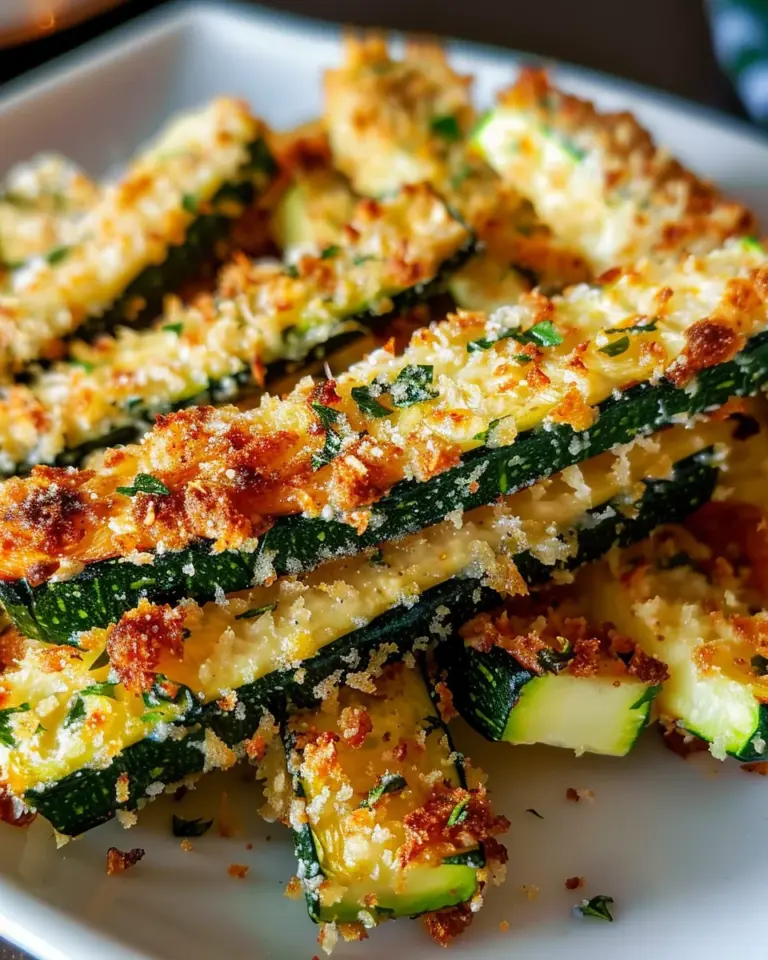
Traditional Cultured Mozzarella
Traditional Cultured Mozzarella is a specialty cheese that embodies the rich traditions of Italian cheesemaking. This delightful cheese offers a creamy texture and a mild, yet complex flavor that enhances salads, pizzas, and pastas. Perfect for gatherings and special occasions, making your own mozzarella showcases your culinary skills and brings a touch of authenticity to any dish.
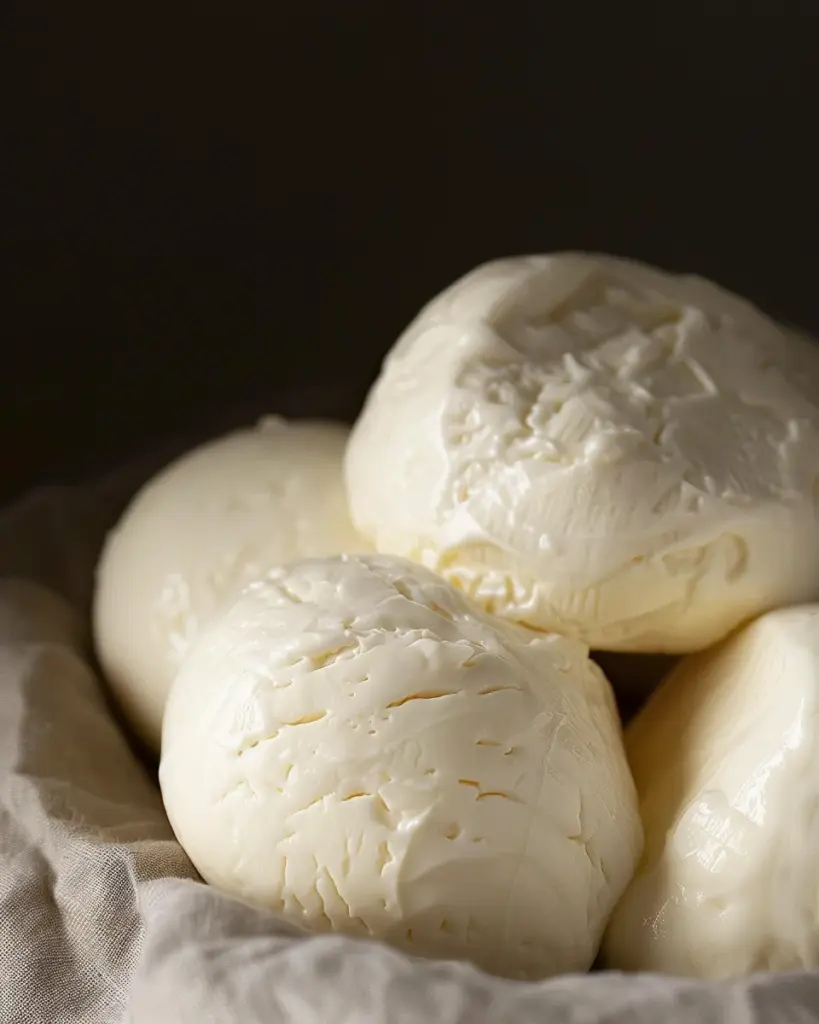
Why You’ll Love This Recipe
- Authentic Flavor: The slow fermentation process creates a depth of flavor that surpasses store-bought options.
- Customizable: Adjust the salt and starter cultures to suit your taste preferences.
- Impressive Presentation: Homemade mozzarella makes a stunning addition to any cheese platter or meal.
- Satisfying Process: Engaging in cheesemaking is rewarding, allowing you to master a traditional culinary art.
- Healthy Choice: Made with natural ingredients, this mozzarella is free from preservatives and artificial flavors.
Tools and Preparation
Before diving into the cheesemaking process, gather your essential tools. Having everything ready will make the experience smoother and more enjoyable.
Essential Tools and Equipment
- Large pot
- Thermometer
- Slotted spoon
- Cheesecloth or fine mesh strainer
- Stirring spoon
- Measuring cups and spoons
Importance of Each Tool
- Large pot: Necessary for heating milk without scorching it.
- Thermometer: Ensures you reach the perfect temperature for curd formation.
- Slotted spoon: Helps strain curds while retaining as much whey as possible.
- Cheesecloth: Essential for draining whey from curds effectively.
Ingredients
To create Traditional Cultured Mozzarella, gather the following ingredients:
Dairy Ingredients
- 2 1/2 gallons Whole Milk (10 Liters)
- 100 ml starter (clabber, kefir, or whey (1:100), or 1 packet mesophilic starter powder)
Rennet and Seasoning
- 3/4 tsp liquid rennet
- 1 tbsp salt
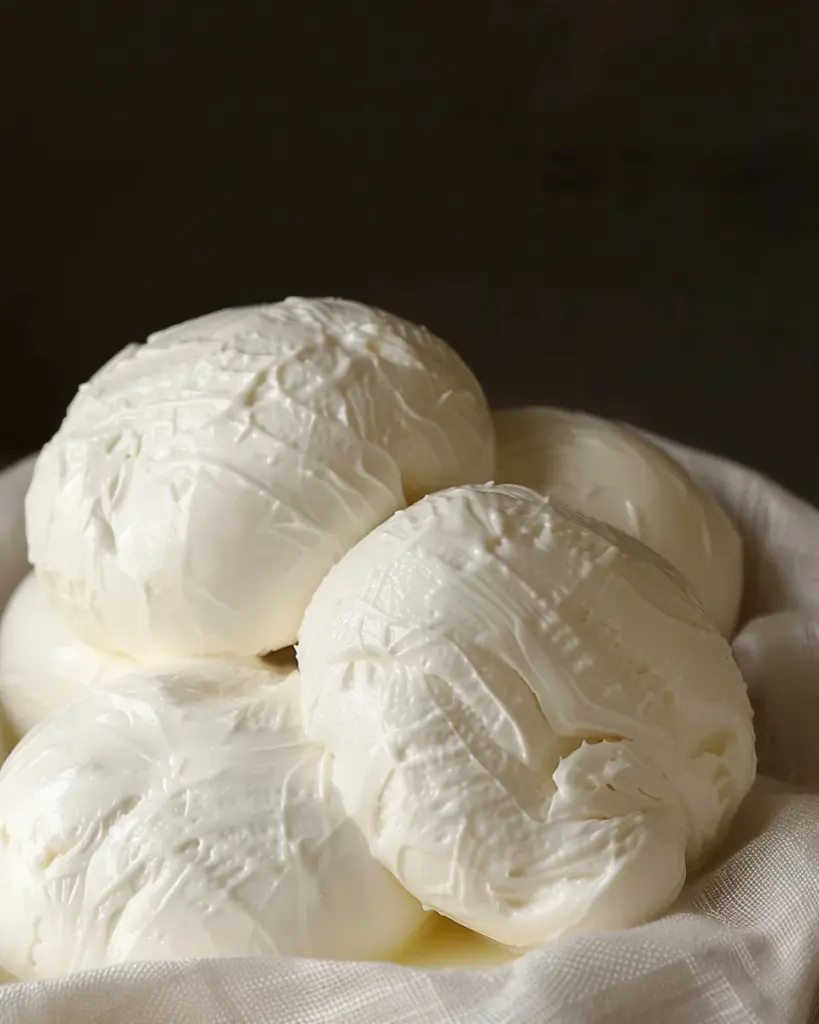
How to Make Traditional Cultured Mozzarella
Step 1: Prepare the Milk
Bring milk to cheese temperature, about 35°C (95°F).
Step 2: Add Starter Culture
- Add starter culture to the warmed milk.
- Mix in thoroughly to ensure even distribution.
Step 3: Incorporate Rennet
- Add liquid rennet to the mixture.
- Stir gently but thoroughly to combine.
Step 4: Allow Curd Formation
Wait for clean break, about 45 minutes to 1 hour. Cover the pot to keep warmth in.
Step 5: Cut Curd
Cut curd into walnut-sized pieces (about 1 inch or 2.5 cm).
Cut vertically first, then crosswise and diagonally.
Step 6: Stir Curds Gently
Stir curds gently over a span of 5 to 10 minutes.
Step 7: Ferment Curds
Ferment curds under whey at ambient temperature until acidity develops. Aim for pH of around 5.3—stretch test spins indicate readiness. Typically takes about 6 to 8 hours total for mozzarella stretch development. If curds drop below 30°C (86°F), gently warm them back up.
Step 8: Prepare for Stretching
As curd shows initial signs of stretching, get ready for mozzarella stretching.
Step 9: Boil Water
Bring approximately 5 quarts (about 5 Liters) of water to a boil—this should be half as much water as milk used.
Step 10: Set Up Cold-Water Bath
Prepare another batch of cold water in equal volume (5 quarts or about 5 Liters).
Step 11: Make Salt Brine
Prepare a light salt brine by mixing:
2 quarts cold water
1 tablespoon salt (brine should taste good!)
Step 12: Strain Curds from Whey
Strain the curds from the whey using your slotted spoon or cheesecloth.
Step 13: Melt Curds
Pour almost-boiling water over curds until they melt evenly.
Add hot water slowly while stirring gently between additions.
Continue adding hot water as needed but avoid overcooking.
Step 14: Form Mozzarella Mass
Gently bring curds together into a single mass under hot water. Shape into mozzarella balls.
Step 15: Stretch Curd Rope
Stretch a handful of curd from the mass into a rope measuring about 6 inches (15 cm).
Step 16: Shape Mozzarella Ball
Fold rope into an accordion shape or roll it into a stout pinwheel. Stretch top part over the accordion shape to form a ball. Tear off pieces between thumb and forefinger as needed.
Step 17: Cool in Cold-Water Bath
Plunge mozzarella into cold-water bath until cool.
Step 18: Preserve in Brine
Transfer cooled mozzarella into light salt brine and refrigerate it to preserve freshness.
With patience and practice, you’ll master making Traditional Cultured Mozzarella—a delicious addition that will impress family and friends alike!
How to Serve Traditional Cultured Mozzarella
Traditional Cultured Mozzarella is incredibly versatile and can elevate many dishes. Whether enjoyed fresh or cooked, this cheese adds a delightful flavor and creamy texture. Here are some delicious serving suggestions that highlight its unique qualities.
Fresh Caprese Salad
- Use slices of mozzarella layered with fresh tomatoes and basil. Drizzle with balsamic glaze for an extra kick.
Pizza Topping
- Place chunks of mozzarella on top of your favorite pizza before baking. It melts beautifully, adding richness to the dish.
Cheese Platter
- Arrange mozzarella balls with various cured meats, olives, and crackers. This makes for a perfect appetizer at any gathering.
Pasta Dishes
- Incorporate mozzarella into lasagna or baked pasta dishes. It adds creaminess and enhances the overall flavor profile.
Grilled Cheese Sandwich
- Use Traditional Cultured Mozzarella in a grilled cheese sandwich for a gooey, rich experience that’s sure to please.
Stuffed Peppers
- Mix mozzarella with rice and spices to fill bell peppers before baking. The melted cheese brings everything together deliciously.
How to Perfect Traditional Cultured Mozzarella
Mastering the art of making Traditional Cultured Mozzarella can be challenging but rewarding. Here are some tips to ensure your cheese turns out perfectly every time.
- Choose quality milk: Start with fresh, high-quality whole milk for the best flavor and texture in your mozzarella.
- Monitor temperature closely: Keep an eye on the milk’s temperature as it heats; consistency is key for proper curd formation.
- Be patient during fermentation: Allow enough time for the curds to develop acidity, which is essential for achieving that stretchy texture.
- Avoid overcooking: When melting curds in hot water, do so gently; overcooking can lead to tough cheese instead of a soft, pliable texture.
- Practice stretching technique: Take your time when stretching the curds; practice will help you master the perfect consistency.
- Store properly: Keep your mozzarella in light salt brine or water to maintain freshness and flavor after making it.
Best Side Dishes for Traditional Cultured Mozzarella
Pairing side dishes with Traditional Cultured Mozzarella can enhance your meal experience. Here are some excellent options to consider when serving this delightful cheese.
- Garlic Bread: Toasted bread topped with garlic butter complements the creamy texture of mozzarella beautifully.
- Roasted Vegetables: A mix of seasonal vegetables roasted until tender adds a colorful and healthy side.
- Pasta Salad: A cold pasta salad with olive oil, herbs, and veggies pairs well with fresh mozzarella slices.
- Marinated Olives: A selection of marinated olives provides a briny contrast that enhances the flavors of the cheese.
- Antipasto Platter: Include various Italian meats, cheeses, and pickled vegetables for a robust tasting experience.
- Bruschetta: Toasted bread topped with diced tomatoes, basil, and olive oil makes a refreshing accompaniment.
- Couscous Salad: Lightly seasoned couscous mixed with herbs offers a fluffy side that balances richer flavors.
- Fruit Salad: Fresh fruit like figs or peaches drizzled with honey enhances the sweetness alongside mozzarella’s creaminess.
Common Mistakes to Avoid
Making Traditional Cultured Mozzarella can be a rewarding experience, but it’s important to avoid common pitfalls. Here are some mistakes to keep in mind:
Ignoring Temperature Control: Maintaining the right temperature is crucial for curd formation. Use a thermometer and adjust heating as needed to stay around 35°C (95°F).
Skipping the Clean Break Test: Waiting for a clean break ensures proper curd texture. Don’t rush; allow 45 minutes to an hour for this step.
Overheating Curds: When melting curds, add hot water slowly. Overheating can lead to rubbery mozzarella, so monitor closely.
Inadequate Fermentation Time: Rushing fermentation can result in bland cheese. Allow the curds to ferment until they reach the desired pH of 5.3.
Not Using Enough Salt: Salt enhances flavor and preserves mozzarella. Don’t skimp on salt during brining; it should taste good!
Storage & Reheating Instructions
Refrigerator Storage
- Store mozzarella in a container with brine in the refrigerator.
- It stays fresh for about 1 week when properly sealed.
Freezing Traditional Cultured Mozzarella
- Wrap mozzarella tightly in plastic wrap or foil.
- Freeze for up to 3 months for best quality.
Reheating Traditional Cultured Mozzarella
- Oven: Preheat to 190°C (375°F) and bake wrapped mozzarella for about 10-15 minutes until warm.
- Microwave: Place mozzarella on a microwave-safe plate, cover, and heat in short bursts of 15 seconds.
- Stovetop: Melt mozzarella in a pan over low heat, stirring gently until warmed through.
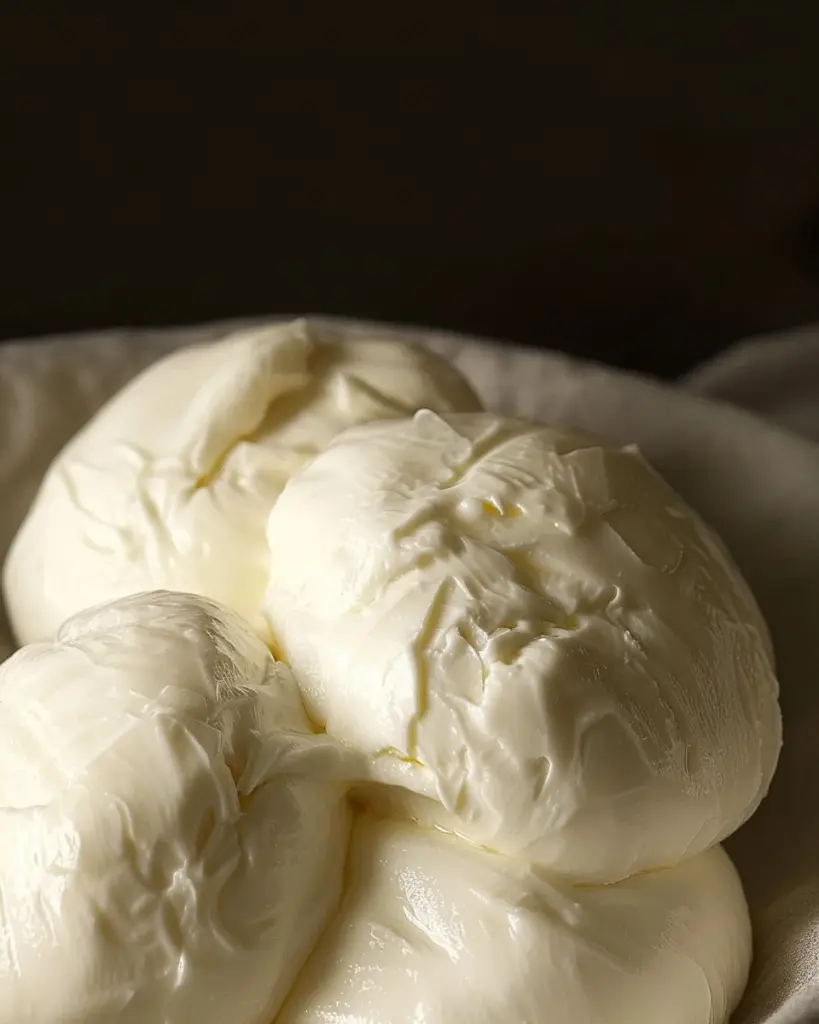
Frequently Asked Questions
What is Traditional Cultured Mozzarella?
Traditional Cultured Mozzarella is an Italian cheese made through natural fermentation using starter cultures, resulting in rich flavor and texture.
How long does it take to make Traditional Cultured Mozzarella?
The entire process takes about 8 hours, including fermentation and stretching time.
Can I use low-fat milk for Traditional Cultured Mozzarella?
Using whole milk is recommended as it provides the best flavor and texture. Low-fat milk may lead to less creamy results.
What’s the best way to store leftover Traditional Cultured Mozzarella?
Store it submerged in brine in an airtight container in the refrigerator for up to one week.
Final Thoughts
Making Traditional Cultured Mozzarella is not just about creating cheese; it’s an enjoyable culinary journey. The depth of flavor and delightful texture make it an excellent addition to salads, pizzas, or enjoyed on its own. Feel free to customize your mozzarella with herbs or spices to suit your taste!

Traditional Cultured Mozzarella
- Total Time: 0 hours
- Yield: About 16 servings 1x
Description
Discover the art of cheesemaking with Traditional Cultured Mozzarella, a creamy and flavorful Italian cheese that elevates any dish. This delightful cheese is perfect for salads, pizzas, and pastas, making it an essential addition to your culinary repertoire. With its authentic taste and smooth texture, homemade mozzarella not only impresses guests but also satisfies your inner chef. The process is rewarding, as you’ll witness the transformation from simple ingredients to a deliciously stretchy cheese that can be enjoyed fresh or in various recipes.
Ingredients
- 2 1/2 gallons whole milk
- 100 ml starter (clabber, kefir, whey, or mesophilic starter powder)
- 3/4 tsp liquid rennet
- 1 tbsp salt
Instructions
- Heat milk to 35°C (95°F).
- Stir in the starter culture thoroughly.
- Add liquid rennet and mix gently.
- Allow curds to form for 45 minutes to 1 hour until a clean break occurs.
- Cut the curd into walnut-sized pieces and stir gently for 5-10 minutes.
- Ferment curds in whey until they reach a pH of about 5.3 (6-8 hours).
- Prepare boiling water and a cold-water bath.
- Strain curds from whey and pour hot water over them to melt evenly.
- Knead and stretch curds into desired shapes.
- Cool in cold water before transferring to light salt brine for storage.
- Prep Time: 30 minutes
- Cook Time: Approximately 8 hours (including fermentation)
- Category: Cheese
- Method: Cheesemaking
- Cuisine: Italian
Nutrition
- Serving Size: 1 serving
- Calories: 85
- Sugar: 1g
- Sodium: 200mg
- Fat: 6g
- Saturated Fat: 4g
- Unsaturated Fat: 2g
- Trans Fat: 0g
- Carbohydrates: 1g
- Fiber: 0g
- Protein: 7g
- Cholesterol: 20mg