Creamy Vegetable Fish Soup
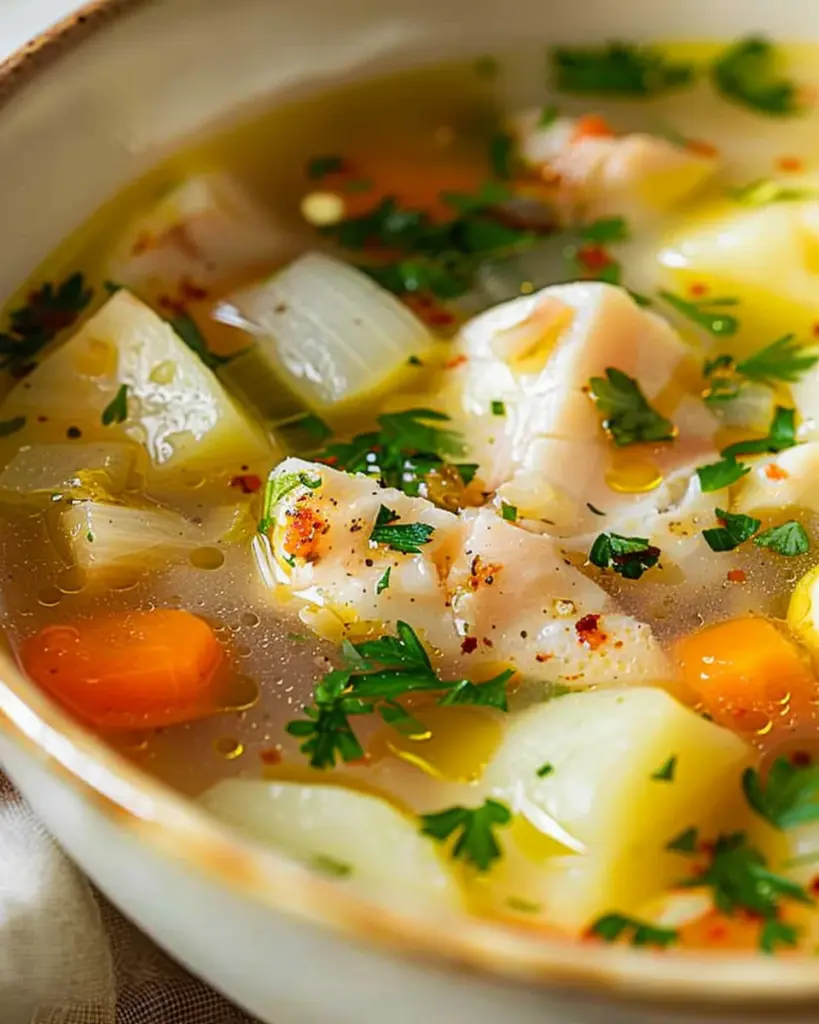
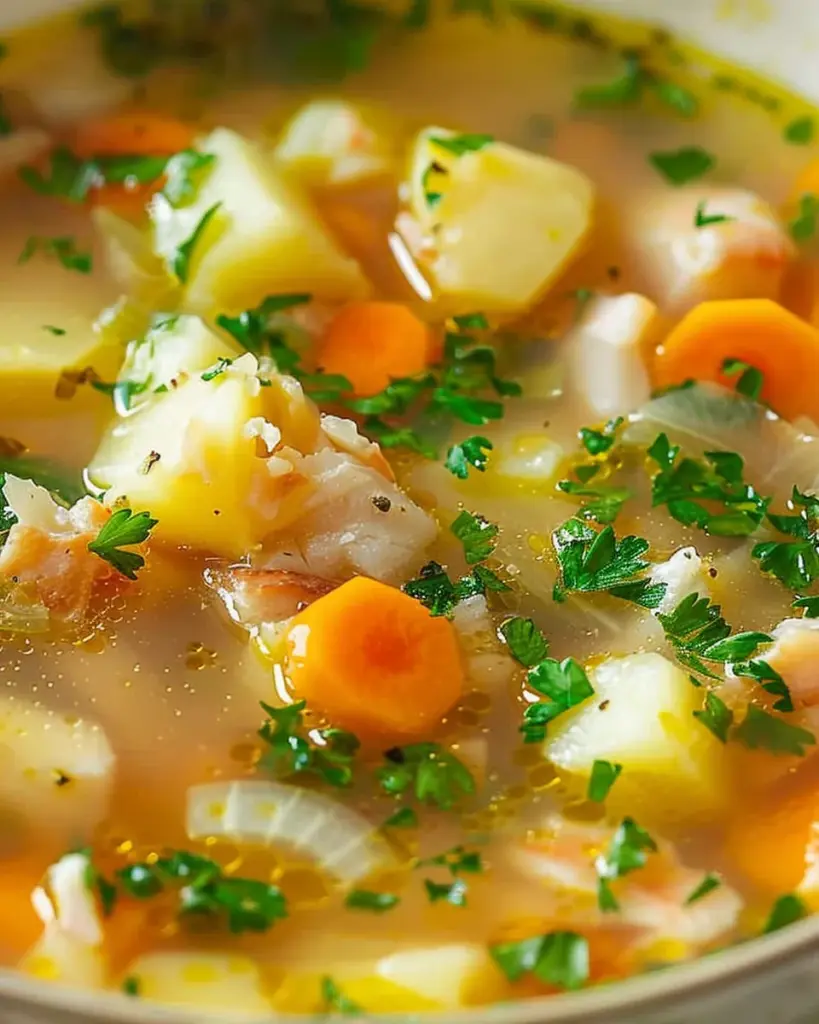
This creamy vegetable fish soup is a warm, satisfying bowl of comfort that’s both nourishing and incredibly flavorful. Made with a combination of baked buttered fish, hearty vegetables, and a creamy broth, it brings together everything you want in a one-pot meal.
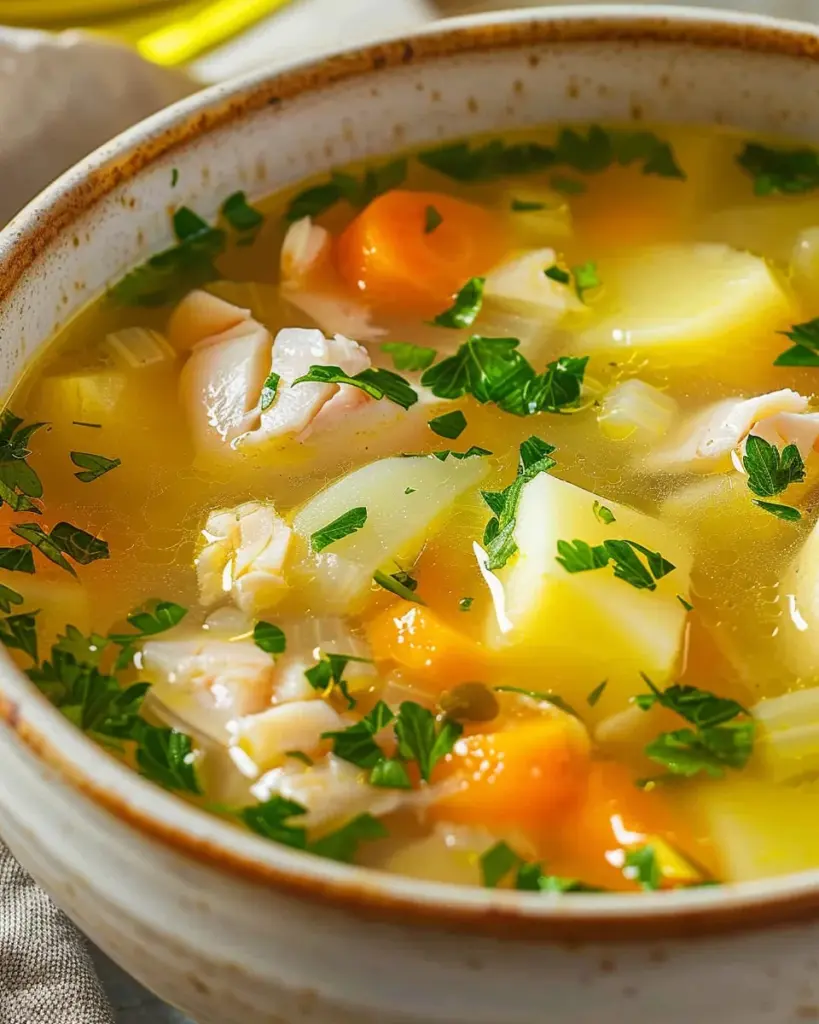
Whether you’re after a healthy dinner option or need a cozy soup for a rainy day, this recipe delivers. It’s inspired by the creamy seafood soup from Zelda: Tears of the Kingdom and Breath of the Wild, combining the nostalgic charm of a fantasy dish with the functionality of a real-life crowd-pleaser. The result? A creamy, filling soup that doesn’t taste overly fishy and offers flexibility for various dietary preferences.
Why You’ll Love This Creamy Vegetable Fish Soup
- Creamy yet light, thanks to a balanced vegetable and broth base
- Packed with nutritious vegetables like carrots, peas, and potatoes
- Works with fresh or canned fish, depending on what you have on hand
- Offers dairy-free options using coconut milk
- Ready in just about an hour, with most of the work happening in parallel
- Perfect for meal prep or as a quick family dinner
Preparation Phase & Tools to Use
Before you begin, organizing your workspace and gathering tools makes the process smoother. This dish involves baking fish and simmering vegetables at the same time, so efficiency matters.
Essential Tools and Equipment
- Large soup pot
- Baking tray
- Baking parchment
- Cooking spoon or soup ladle
- Knife
- Vegetable peeler
- Garlic mincer
- Cutting board
- Measuring cup
- Measuring spoons
- Oven mitts
- Optional: can opener (if using canned fish)
Importance of Each Tool
- Large soup pot: Necessary to fit all the broth, vegetables, and fish comfortably.
- Baking tray with parchment: Ensures even fish cooking and prevents sticking.
- Measuring tools: Crucial for maintaining flavor consistency, especially with seasoning and broth-to-vegetable ratios.
- Cutting board, knife, peeler: Make prep faster and cleaner.
- Garlic mincer: Enhances flavor extraction from garlic, adding depth to the broth.
Preparation Tips
- Chop vegetables into uniform sizes for even cooking.
- Preheat the oven while prepping vegetables to save time.
- Choose fresh herbs for garnishing and dried herbs for simmering.
- Use full-fat coconut milk for dairy-free richness without sacrificing creaminess.
- If using canned fish, drain thoroughly and remove skin/bones before adding.
- Caramelize the onions for extra flavor – don’t rush this step.
Ingredients for Creamy Vegetable Fish Soup
Here’s everything you’ll need to make this hearty fish soup. Ingredients serve four.
- 2–3 filets of cod, salmon, mahi-mahi, or tilapia, cut in half
(or 2 cans of tinned fish, skin and bones removed) - 1–2 tablespoons butter (or oil)
- 1 tablespoon cooking oil
- 1 cup onion, diced
- 2 cups carrots, sliced or diced
- 1 cup potato, diced
- 1 cup turnip or rutabaga, diced
- 1 cup peas
- 3 tablespoons garlic, minced
- 2 teaspoons dried dill
- 2 teaspoons dried parsley
- 1 teaspoon ground paprika
- 4 cups vegetable broth
- 1½ cups coconut milk, dairy milk, or heavy cream
- ½ cup fresh parsley or dill, for garnish
Tip: Swap turnips for extra potatoes if you prefer a milder root vegetable.
Step-by-Step Directions
Follow these steps to prepare the soup from start to finish.
- Preheat the oven to 375°F / 190°C / Gas Mark 5.
- Prepare the fish: Place fillets on a baking tray lined with parchment paper. Add small pats of butter on top.
- While the oven preheats, wash, peel, and dice all vegetables. Mince the garlic.
- Bake the fish for 20 minutes, or until cooked through and opaque (internal temperature of 145°F / 63°C). Once done, flake into chunks, remove skin or bones, and set aside.
- Alternative: Pan-fry fish in 1 teaspoon oil for 5–8 minutes if you prefer.
- Canned fish option: Drain, remove skin and bones, and set aside.
- Sauté onions: In a soup pot over medium-high heat, sauté diced onions in cooking oil for about 5 minutes until browned.
- Add carrots: Stir in sliced carrots and sauté for another 5 minutes.
- Add other vegetables: Toss in potatoes and turnip or rutabaga. Cook for 5 more minutes.
- Season: Add garlic, dried dill, parsley, and paprika. Stir well.
- Pour in broth: Add vegetable broth and bring to a boil. Once boiling, reduce to a simmer for 15 minutes.
- Add peas and milk: Stir in peas and your choice of milk or coconut milk. Simmer gently for another 5 minutes.
- Combine fish: Add the flaked fish to the soup. Stir gently and let warm through.
- Garnish and serve: Top with chopped fresh herbs and serve hot.
Optional Variations
- Add a splash of white wine for deeper flavor during step 8.
- Use sweet potato instead of turnip for a sweeter twist.
- Add chili flakes if you prefer a bit of heat.
- For a thicker broth, mash a few cooked potato chunks before adding the fish.
Serving Suggestions
Creamy vegetable fish soup is a flexible and flavorful main course that works well in various settings—from a quiet family dinner to a cozy weekend lunch. Because it’s both creamy and vegetable-rich, this soup offers comfort without being overly heavy, making it ideal for pairing with lighter sides or heartier accompaniments.
Best Ways to Serve Creamy Vegetable Fish Soup
- Serve in deep bowls to showcase the rich broth and hearty vegetables.
- Garnish with fresh chopped dill or parsley for color and brightness.
- Offer crusty bread on the side to mop up the creamy base.
- A drizzle of quality olive oil or a light sprinkle of paprika can elevate presentation.
- For extra richness, add a dollop of sour cream or a splash of lemon juice before serving.
Pairing Drinks with the Soup
- A crisp white wine like Sauvignon Blanc or Pinot Grigio pairs well with the creamy broth and fish.
- Sparkling water with a slice of lemon adds a refreshing contrast.
- For non-alcoholic options, herbal teas or light vegetable-based juices work well.
Side Dish Recommendations
Pairing the right side dish with creamy vegetable fish soup enhances the overall meal experience. Whether you want something light or indulgent, here are eight excellent choices.
Crusty Garlic Bread
A classic companion. Toasted baguette or sourdough slices brushed with garlic butter, then oven-grilled until golden. It’s perfect for dipping into the creamy broth.
Lemon and Fennel Slaw
Shaved fennel, grated carrots, and a citrus vinaigrette create a crunchy, zesty salad that cuts through the richness of the soup.
Steamed Green Beans with Almonds
Blanched green beans tossed in olive oil and sprinkled with toasted almonds bring texture and color to the plate.
Roasted Root Vegetables
Earthy vegetables like parsnips, carrots, and sweet potatoes roasted with herbs offer a hearty and naturally sweet side to complement the savory soup.
Simple Mixed Leaf Salad
A light salad with arugula, spinach, cherry tomatoes, and a balsamic or lemon dressing brings freshness and balance.
Cheesy Cauliflower Gratin
For a more indulgent option, baked cauliflower with a light cheese sauce adds creaminess that mirrors the soup’s texture without being redundant.
Herbed Couscous or Quinoa
A small portion of fluffy couscous or quinoa tossed with herbs and olive oil can turn this soup into a full, satisfying meal.
Pickled Beetroot and Feta
This colorful side combines sweet-tart pickled beets with salty crumbled feta—perfect for a flavor and texture contrast.
Common Mistakes To Avoid & How to Perfect the Recipe
Even simple recipes can go awry without the right techniques. Here are the most common mistakes to avoid when making creamy vegetable fish soup and how to fix them.
Overcooking the Fish
Mistake: Fish becomes dry or breaks apart completely.
Fix: Bake just until opaque, then flake gently and stir in at the end. If using canned fish, add it only during the final minutes to warm through.
Uneven Vegetable Cooking
Mistake: Some vegetables are mushy while others are undercooked.
Fix: Dice vegetables uniformly and cook them in stages—starting with root vegetables like carrots and potatoes, then adding peas later.
Soup Curdling After Adding Milk or Coconut Milk
Mistake: Dairy or non-dairy milk separates or curdles.
Fix: Lower heat after adding milk. Avoid boiling; instead, simmer gently. Use full-fat coconut milk for a stable, creamy texture.
Thin, Watery Broth
Mistake: Soup lacks body and feels more like a broth.
Fix: Add more starchy vegetables like potatoes or mash a few pieces to thicken naturally. Let the soup simmer uncovered for a few extra minutes.
Strong, “Fishy” Flavor
Mistake: The soup has an overpowering seafood taste.
Fix: Use milder fish like cod or tilapia. Always bake with butter and use vegetable broth instead of fish stock for a lighter flavor.
Flat or Bland Flavor
Mistake: Soup lacks depth.
Fix: Take time to brown the onions, add garlic generously, and season with dried herbs during cooking. Finish with fresh herbs just before serving for a flavor boost.
Adding Herbs Too Early
Mistake: Fresh herbs lose their brightness during cooking.
Fix: Use dried herbs while the soup simmers, and fresh herbs for garnish or just before serving.
Serving the Soup Cold
Mistake: Reheated soup tastes dull or fish becomes rubbery.
Fix: Reheat gently over medium heat and avoid boiling. Add a splash of broth or milk if the soup thickens in the fridge.
Recipe Tips, Storage and Reheating Instructions
A few final tips can make a big difference in how your creamy vegetable fish soup turns out—especially when it comes to storage and reheating.
Recipe Tips
- Choose the right fish: Mild, firm white fish like cod, mahi-mahi, or tilapia work best. Salmon is also an option but has a stronger flavor.
- Baking vs. frying: Baking the fish with butter enhances flavor and keeps it moist. Frying works in a pinch, especially if time is short.
- Use full-fat coconut milk if going dairy-free. It provides a creamy texture and richer body compared to light versions.
- Don’t rush the onions: Browning or caramelizing them adds serious depth to the soup base.
- Add fresh herbs last: Sprinkle parsley or dill at the end for brightness and flavor.
Storage Instructions
- Refrigeration: Let the soup cool completely. Store in an airtight container for up to 2 days. After that, the fish texture may deteriorate.
- Freezing: The soup base (without the fish) freezes well for up to 2 months. Freeze in portioned containers and add fresh or canned fish when reheating.
- Avoid freezing the fish inside the soup. The texture becomes rubbery or grainy upon thawing.
Reheating Instructions
- Stovetop method: Reheat gently over medium heat until warmed through. Stir occasionally to avoid sticking.
- Avoid boiling: High heat can cause dairy or coconut milk to separate, and the fish may dry out.
- Adjust consistency: If the soup thickens in the fridge, add a splash of broth or milk before reheating.
- Re-season after reheating: Taste and adjust with salt, pepper, or a fresh squeeze of lemon juice.
Frequently Asked Questions (FAQs)
These commonly asked questions provide quick help for readers looking to adapt or troubleshoot the recipe.
Can I use frozen fish fillets?
Yes. Thaw completely before cooking. Pat dry to remove excess moisture and bake as directed. Baking frozen fish directly may release too much water, diluting flavor.
Can I make this soup dairy-free?
Absolutely. Use full-fat coconut milk instead of dairy milk or cream. Replace butter with olive oil or a plant-based alternative.
What vegetables work best in this soup?
Potatoes, carrots, peas, and onions are the base. You can also add turnip, rutabaga, or even celery. Avoid watery vegetables like zucchini which can thin the broth.
Is it okay to use canned fish?
Yes. Drain well, remove skin and bones if needed, and fold in during the last few minutes of cooking. It’s a great shortcut for busy weeknights.
How do I thicken the soup without flour?
Use starchy vegetables like potatoes. You can also mash a few pieces of cooked potato into the broth or let the soup simmer uncovered to reduce and thicken.
Can I make it ahead of time?
Yes, but store the soup base separately from the fish for best results. Add fish only during reheating to preserve texture.
What broth should I use?
Vegetable broth gives a mild, clean flavor that lets the fish shine. Fish broth can be used for a stronger seafood taste, but it may be overpowering for some palates.
How long does it last in the fridge?
Ideally, consume within 2 days. Beyond that, fish texture declines, and the milk or cream may separate.
Can I reheat it in the microwave?
It’s better to reheat on the stovetop. If using a microwave, use medium power and stir halfway through. Avoid overheating to keep the fish tender.
What garnishes go well with this soup?
Chopped parsley, dill, a drizzle of olive oil, or a sprinkle of smoked paprika enhance both flavor and presentation.