Russian Fish Soup Ukha
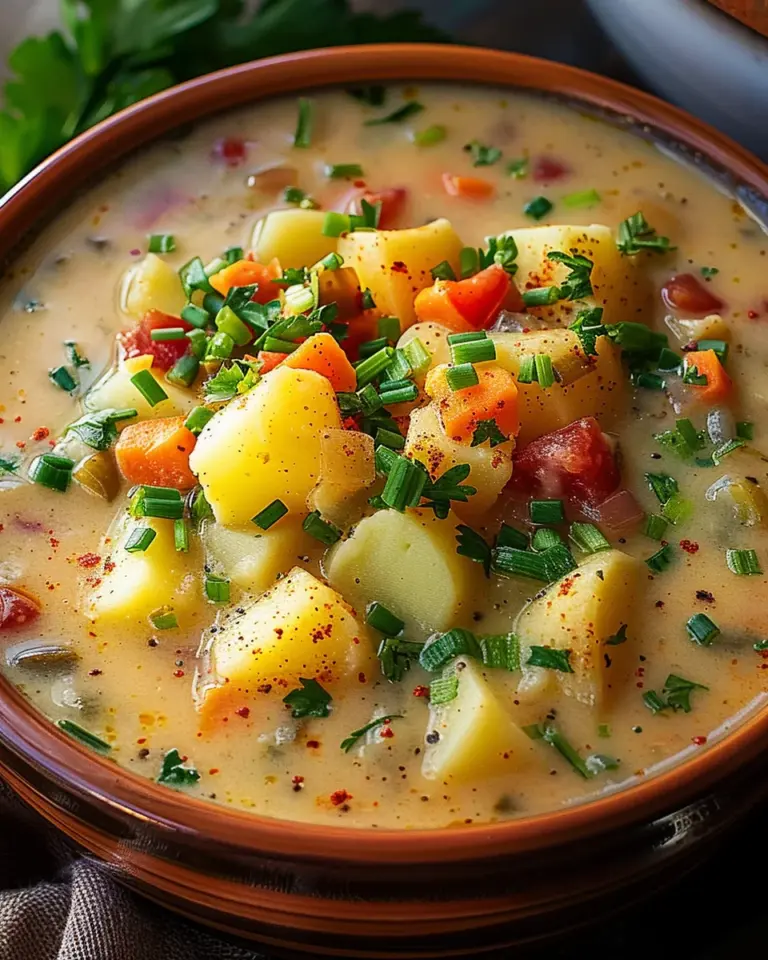
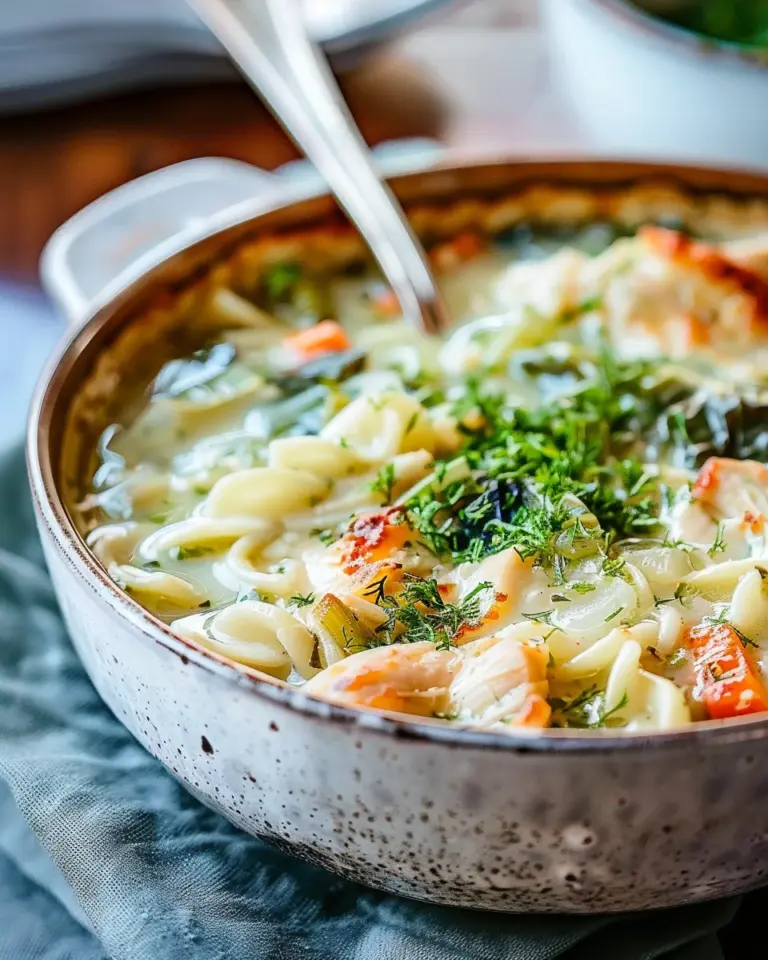
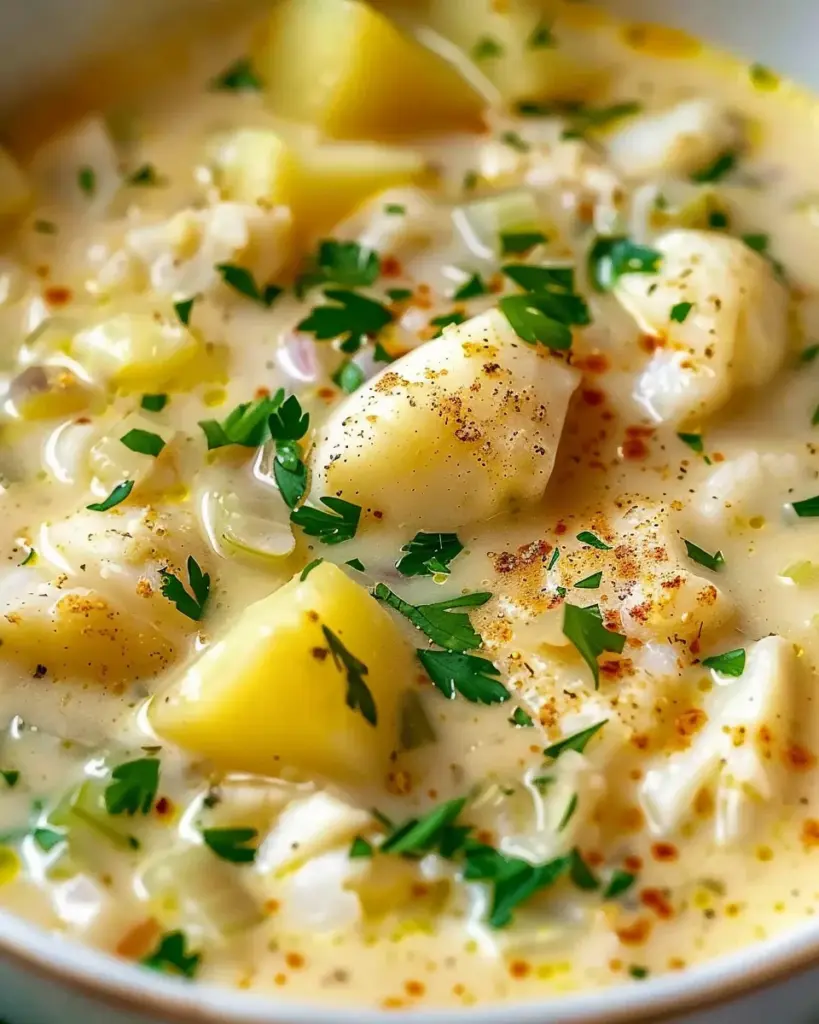
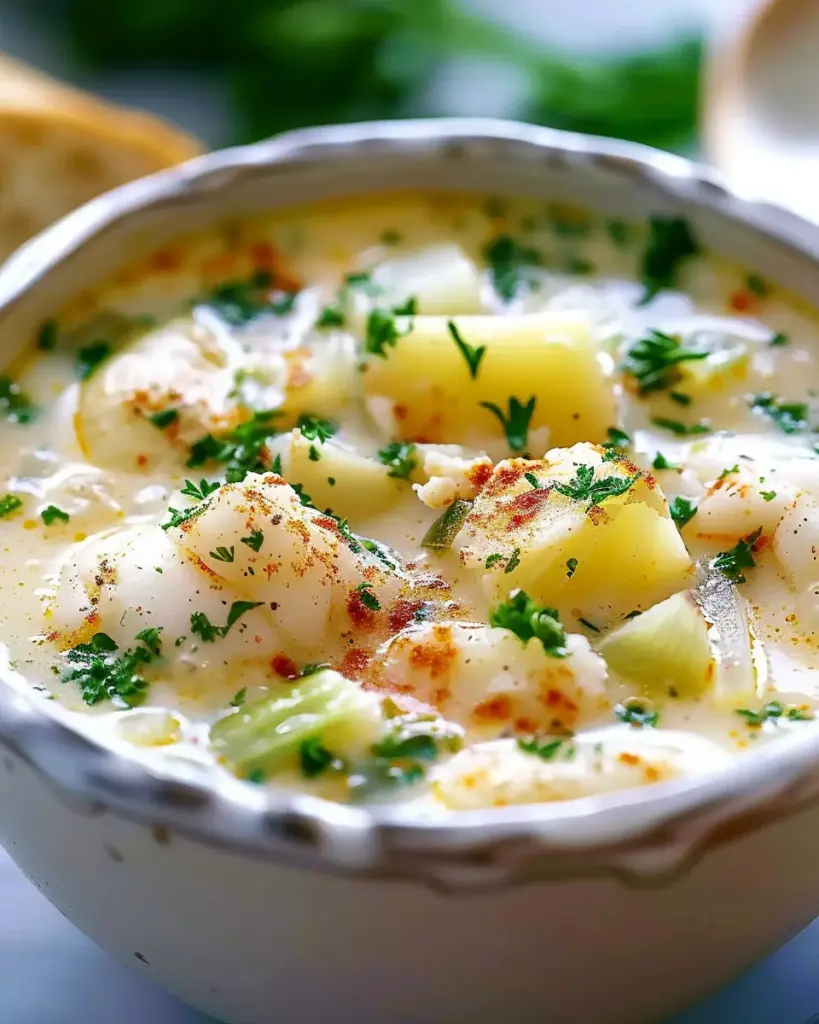
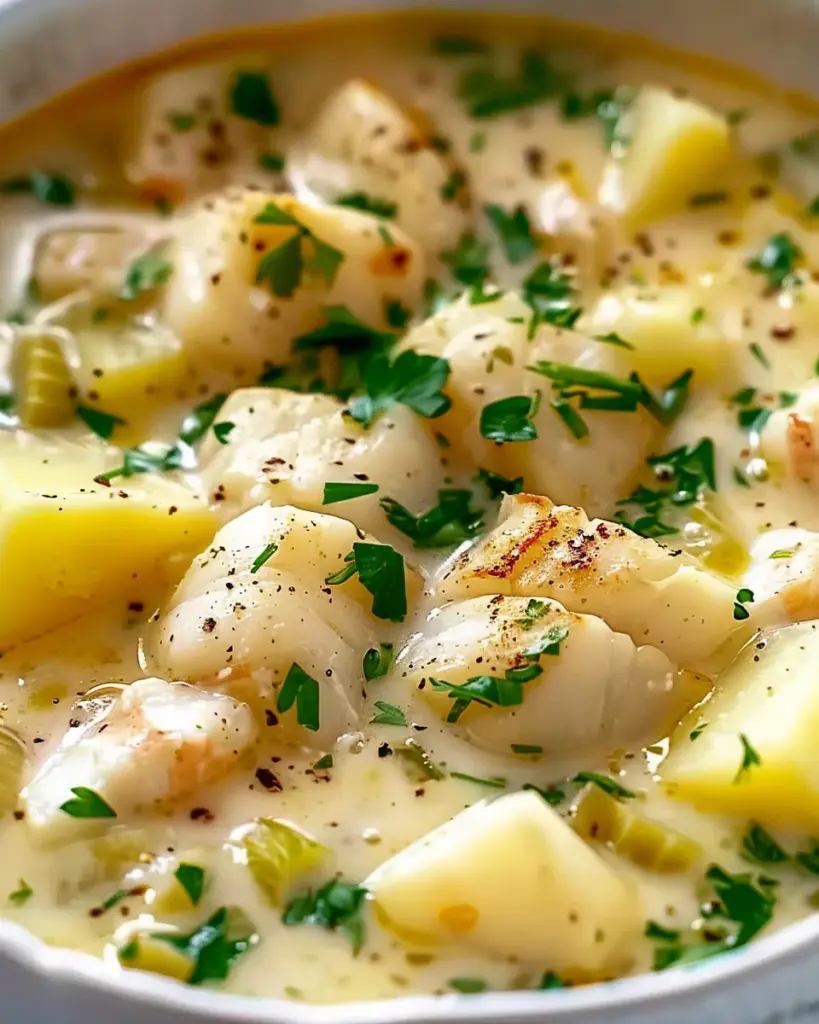
Russian Fish Soup Ukha is a traditional clear, brothy soup brimming with fresh fish and vegetables. Known for its delicate flavor and rustic charm, Ukha is both comforting and elegant. Whether served as a starter or a hearty lunch, this soup embodies the essence of Russian culinary tradition. Its simplicity, combined with the freshness of herbs and fish, makes it a dish that both beginners and experienced cooks will love.
In this guide, you will learn how to prepare Ukha from scratch, including preparation, cooking techniques, essential tools, and ingredient tips to ensure a perfect, flavorful soup every time.
Preparation Phase & Tools to Use
Essential Tools and Equipment
To make authentic Ukha, gather the following tools:
- Heavy Stock Pot: Ensures even heat distribution and prevents scorching, crucial for a clear broth.
- Immersion Blender (Optional): For blending a portion of potato into the soup to slightly thicken it while leaving some chunks intact.
- Fine-Mesh Sieve or Colander: For straining the stock, producing a clear and refined broth.
- Sharp Filleting Knife & Scaling Tool: Necessary for preparing whole fish safely and efficiently.
- Cutting Board and Paring Knife: For vegetables and herbs.
- Ladle and Soup Bowls: For serving.
- Optional: Clay pot for a rustic, traditional presentation.
Tips: Use a pot with a well-fitting lid, sharpen knives in advance, and scale fish over a newspaper or disposable surface to make cleanup easier. A good-quality sieve will help produce a crystal-clear stock.
Preparation Tips
- Choosing Fish: Fresh fish is essential for a clear, flavorful broth. Whole freshwater fish such as seabream or trout work best. Fillets can be used, but using heads and bones enriches the flavor.
- Vegetable Prep: Peel and roughly chop potatoes, carrots, and celery. Keep some vegetables whole (like one potato and half the carrots) to infuse the stock. Cut one onion half finely and leave the other whole for the stock.
- Herbs: Divide parsley into two portions, saving half for the final garnish. Lovage is optional but traditional.
- Cooking Sequence: Start with simmering vegetables to develop flavor, then add fish. Low, gentle heat is key to maintaining a clear broth.
- Handling Fish Meat: Shred cooked fish carefully, removing bones and skin.
- Optional Techniques: Blend one potato with some broth to thicken the soup or mash for texture. Always taste for salt and pepper gradually.
Ingredients – Clear & Organized
- 1 whole seabream, gutted and scaled
- 1 salmon or trout fillet
- 4 large potatoes (peeled and roughly chopped, except for 1 potato left whole)
- 1 large yellow onion (half finely diced, half left whole)
- 4 medium carrots (2 left whole, 2 roughly chopped)
- 1 bunch fresh parsley (finely diced and divided)
- 2 stalks fresh lovage (including leaves, optional)
- 4 ribs celery (2 left whole, 2 roughly chopped; include leaves with whole celery)
- 4 tablespoons olive oil
- Salt and pepper, to taste
- 1 bay leaf
Substitutions & Variations:
- Smoked fish can be added for extra depth.
- Use different types of fish according to availability.
- Add vegetables like cabbage, peas, or green beans to enrich the soup.
- Replace lovage with 1 tablespoon of Vegeta if unavailable.
- Fresh herbs like dill, fenugreek, oregano, or thyme can be added for variety.
Step-by-Step Directions
1. Making the Fish Stock
- Bring 4 liters of water to a boil in a heavy-bottomed stock pot.
- Prepare vegetables: whole onion half, two whole carrots, two whole celery ribs with leaves, half of the chopped parsley, lovage (if using), and the bay leaf.
- Add the vegetables to boiling water and immediately reduce the heat to low. Cover and simmer for 45 minutes.
- Add the whole fish to the simmering broth. Continue cooking on low, covered, for 20 minutes.
- Remove fish from the pot and let cool. Shred the fish meat and discard bones and skin.
- Strain the broth through a fine-mesh sieve and set aside. Discard the spent vegetables.
2. Building the Soup
- In the same pot, sauté diced onion and chopped carrots in olive oil until softened and lightly browned.
- Add diced potatoes, the whole potato, and half of the remaining parsley.
- Pour in the strained fish broth. Simmer on low, covered, for 25–30 minutes, or until the potatoes are tender.
- Optional: Remove the whole potato with some broth and blend until smooth. Return the mixture to the pot for a thicker texture. Alternatively, mash some potato chunks with a spoon.
- Continue simmering until all vegetables are soft. Taste and adjust salt and pepper.
3. Finishing the Soup
- Turn off the heat. Add shredded fish meat, half a lemon cut into quarters, and remaining olive oil.
- Let the soup rest for 5 minutes to blend flavors.
- Garnish with remaining parsley.
- Serve with crusty bread, sourdough, or spread with sour cream for an authentic Russian experience.
Tips & Variations
- Smoked fish can be added at the end for a smoky depth.
- Use any fresh fish available, including salmon or trout.
- Additional vegetables like cabbage, green beans, or peas can be added.
- Use herbs like dill, oregano, or thyme for extra flavor.
- Keep the broth clear by simmering gently and straining well.
- Blend a potato for thickness but leave some chunks for texture.
Serving Suggestions
Ukha is a versatile soup that can be enjoyed as a starter or a main course. The clear, flavorful broth and tender fish make it perfect for a light lunch, dinner, or even a festive meal. Here are some ways to serve it to maximize flavor and presentation:
- Presentation: Serve the soup in rustic bowls to highlight its traditional appeal. Garnish with fresh parsley and a lemon wedge.
- Accompaniments: Pair with crusty sourdough bread, rye bread, or buttered bread. A dollop of sour cream is a classic complement.
- Temperature: Serve hot for a comforting experience. In warmer weather, slightly cooled soup is also enjoyable.
- Table Setting: A simple, elegant setting works best. Linen napkins or wooden serving boards enhance the rustic, traditional vibe.
- Seasonal Serving: Ideal in winter as a warming meal and in summer as a light riverside dish.
- Optional Enhancements: Some enjoy a traditional shot of vodka alongside the soup, reflecting its fisherman’s soup origins.
- Portioning: Serve approximately 1–1.5 cups per person, adjusting based on whether it is a starter or main course.
- Garnish Tips: Sprinkle extra herbs, drizzle olive oil, and serve with a wedge of lemon for added brightness.
Common Mistakes to Avoid & How to Perfect the Recipe
Making Ukha requires attention to detail. Avoid these common mistakes to ensure a clear, flavorful soup:
- Using Stale Fish: Poor-quality or old fish results in off-flavors. Always use fresh, preferably whole fish for the stock.
- Boiling Stock Too Vigorously: High heat causes cloudy broth. Keep the heat low and simmer gently.
- Overcooking Fish Meat: Adding fish too early or cooking too long can make it mushy. Add fish near the end.
- Adding Too Many Vegetables: Heavy vegetables or over-blending can compromise the traditional clarity.
- Skipping Herbs or Lemon: Fresh herbs and lemon add brightness; omit them, and the soup loses its freshness.
- Over-Seasoning Early: Fish has natural flavor; season gradually and taste frequently.
- Serving Without Bread: Bread or sour cream enhances the overall experience; don’t skip it.
Tips for Perfect Ukha:
- Use fish heads and bones for a richer stock.
- Strain the broth carefully through a fine sieve to maintain clarity.
- Blend only a portion of potato for thickness, retaining some chunks for texture.
- Adjust seasoning slowly, tasting as the soup cooks.
- Fresh herbs should be added at the very end to preserve aroma.
Side Dish Recommendations
A variety of side dishes can complement Ukha, enhancing both flavor and presentation. Below are eight classic options:
1. Crusty Sourdough Bread with Butter
The crunch of sourdough perfectly soaks up the clear fish broth, creating a satisfying texture contrast. Lightly butter the slices to enhance flavor.
2. Rye Bread with Sour Cream
Traditional Eastern European rye bread served with a dollop of sour cream complements the fish and herbs in Ukha.
3. Garlic Toast or Herb-Infused Crostini
Small garlic or herb-buttered toasts add crunch and a savory depth that pairs well with the delicate fish broth.
4. Light Green Salad with Lemon Vinaigrette
Fresh salad greens dressed with lemon and olive oil provide a crisp, refreshing contrast to the warm soup.
5. Boiled New Potatoes with Dill
Simple boiled baby potatoes tossed with butter and fresh dill echo the potatoes in the soup, creating harmony in flavor.
6. Vegetable Medley: Steamed Green Beans & Carrots
Bright green beans and carrots lightly steamed with olive oil add color and nutrition alongside the soup.
7. Pickled Cucumbers or Sauerkraut
Slightly tangy pickled cucumbers or sauerkraut offer a traditional Eastern European side that offsets the rich fish broth.
8. Herbed Buckwheat or Barley Pilaf
A light grain side, such as buckwheat or barley cooked with parsley and lemon, complements the soup and provides additional substance.
Serving Tips:
- Prepare side dishes ahead of time for convenience.
- Arrange on a rustic platter for visual appeal.
- Portion sides to match the number of servings of soup.
Recipe Tips
- Use Fresh Fish: Fresh fish heads, bones, and fillets enrich the stock with deep flavor.
- Maintain a Gentle Simmer: Avoid boiling the stock vigorously to keep it clear and delicate.
- Optional Thickening: Blend one potato with some broth to slightly thicken the soup while leaving other chunks intact for texture.
- Fresh Herbs at the End: Add parsley, dill, or lovage at the final stage to preserve aroma and freshness.
- Gradual Seasoning: Season slowly, tasting as the soup cooks. Fish has natural flavor, so avoid over-salting.
- Frozen Fish: If using frozen fish, start from semi-thawed to maintain broth clarity.
- Smoked Fish Variation: Add smoked fish pieces at the end for subtle smokiness without overpowering the soup.
- Seafood Variation: Optional clams or shellfish can be added, though this diverges from the classic clear broth tradition.
Storage Instructions
- Refrigeration: Cool the soup to near room temperature, then cover and refrigerate. Best consumed within 24 hours, though it can be stored up to 4 days.
- Freezing: For longer storage, freeze the broth and vegetables separately. Fish meat is best added after thawing to preserve texture.
- Avoid Overcooking: Reheating should be gentle to prevent fish from becoming tough or mushy.
Reheating Instructions
- Reheat gently on low heat until warmed through. Avoid boiling to maintain delicate fish texture.
- If the soup thickened while standing, add a splash of hot water or fish stock to loosen it.
- Adjust seasoning after reheating and add fresh herbs at the last moment.
- For optimal flavor, add fish meat at the end of reheating. The soup often tastes better the next day as the flavors meld.
FAQs
Q1: Can I use fillets instead of whole fish?
A: Yes, fillets can be used, though whole fish with heads and bones produces a richer, more traditional broth.
Q2: What types of fish are best for Ukha?
A: Traditionally, freshwater fish like perch, pike, wels catfish, or bream are used. Salmon and trout are also suitable. Saltwater fish can be used, but flavor differs.
Q3: Is Ukha gluten-free?
A: Yes, the basic recipe contains no wheat or flour, making it naturally gluten-free.
Q4: Why is my broth cloudy?
A: Cloudiness often results from boiling too vigorously or failing to strain the stock properly. Use low heat and strain through a fine sieve.
Q5: Can I prepare Ukha ahead of time?
A: Yes, fish stock can be prepared in advance, refrigerated, or frozen, and then combined with vegetables and fish later.
Q6: Can I add rice or pasta?
A: Traditional Ukha is clear and simple, so rice or pasta is not typically added. Modern adaptations may include them, but it changes the character of the soup.
Q7: How do I make Ukha thicker?
A: Blend one potato chunk using an immersion blender or mash some chunks with a spoon to slightly thicken the soup.
Q8: Which herbs pair best with Ukha?
A: Fresh parsley, dill, and lovage (if available) are ideal. Avoid dried herbs for best results.
Q9: Can I freeze the soup?
A: Yes, freeze broth and vegetables separately. Add fish after thawing for optimal texture.
Q10: What bread or side dishes work best?
A: Crusty sourdough, rye bread, or bread served with butter or sour cream complement the soup perfectly.