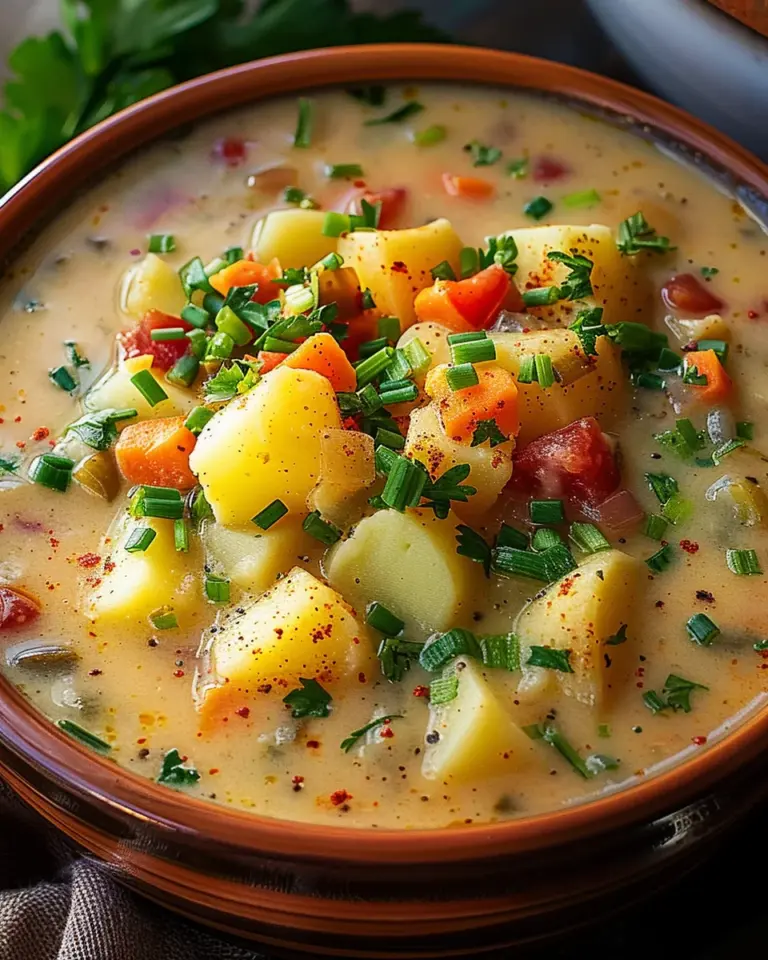
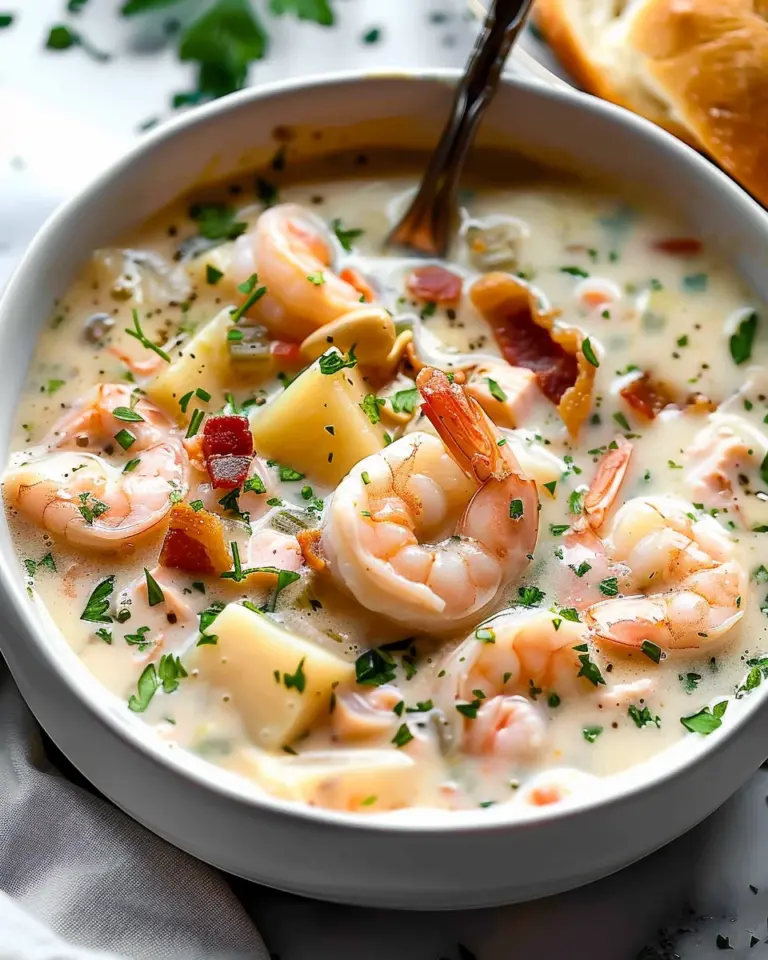
Delicious Fish Chowder Soup Recipe
Fish chowder is the ultimate comfort food — warm, creamy, and packed with flavor. This hearty soup blends tender white fish with wholesome vegetables and a luscious broth. Whether you’re cooking for a cozy family dinner or need a satisfying meal on a chilly night, this recipe delivers both comfort and nutrition in every spoonful.
Its creamy texture combined with the delicate taste of white fish makes this dish universally appealing. The chowder is versatile enough for weeknight meals yet special enough for guests. Best of all, it comes together in just 30 minutes with simple, everyday ingredients.
Why you’ll love this recipe:
- Rich and creamy base without being too heavy
- Loaded with vegetables and protein
- Easily customizable with different seafood
- Perfect with crusty bread for dipping
- Quick to prepare and family-friendly
Let’s walk through how to prepare this delicious fish chowder soup recipe from scratch. From essential tools to detailed cooking steps, you’ll find everything you need to make this dish a staple in your kitchen.
Preparation Phase & Tools to Use
Essential Tools and Equipment
To create the perfect fish chowder, it’s important to use the right kitchen tools. Here’s what you’ll need:
- Large heavy-bottom pot or Dutch oven – Even heat distribution prevents burning.
- Wooden spoon or silicone spatula – Gentle on cookware and ideal for stirring.
- Measuring cups and spoons – Ensures accurate measurements.
- Sharp chef’s knife – For clean cuts of vegetables and fish.
- Cutting board – Preferably non-slip for safety.
- Fish spatula or slotted spoon – Helps gently transfer delicate fish.
- Mixing bowls – Useful for organizing prepped ingredients.
Importance of Each Tool
- A heavy-bottomed pot retains heat and maintains a steady simmer, key for creamy chowder.
- A sharp knife makes it easier to cube fish and vegetables evenly, ensuring consistent cooking.
- Measuring tools help maintain the perfect broth-to-ingredient ratio.
- A slotted spoon helps prevent over-handling delicate fish fillets.
Preparation Tips
- Pre-chop vegetables: Cut everything before cooking for a smooth workflow.
- Keep fish cold: Cold fish holds its shape better and flakes perfectly when cooked.
- Prep liquids: Measure stock and milk in advance.
- Dry the fish: Pat dry to prevent watery broth.
- Use mise en place: Organize all ingredients before turning on the stove.
Ingredients
Here’s a complete list of everything you’ll need. Feel free to substitute where necessary.
Dairy and Liquids
- 3 tablespoons (40g) unsalted butter
- ½ cup (125 ml) dry white wine (optional)
- 3 cups (750 ml) milk (any fat percentage)
- 2 cups (500 ml) fish stock, clam juice, or low-sodium chicken stock
Vegetables
- 2 garlic cloves, minced
- 1 small onion, finely chopped
- 2 small carrots, halved and sliced into 0.5 cm (1/5 inch) pieces
- 2 cups potatoes, cut into 1.5 cm (0.5 inch) cubes (approx. 1 large potato)
- 1 cup corn (frozen or canned, drained)
- 1 cup frozen peas
Seasoning & Thickener
- ¼ cup (35g) all-purpose flour
- ½ teaspoon salt, plus more to taste
- Finely ground black pepper, to taste
Seafood
- 600g (1.2 lb) skinless white fish fillets, cut into 2 cm (4/5 inch) pieces
Step-by-Step Directions
Follow these steps for a foolproof, delicious fish chowder soup.
Step 1: Melt the Butter
In a large pot over medium heat, melt the butter until fully liquefied. Do not let it brown.
Step 2: Sauté Aromatics
Add the minced garlic and chopped onion. Cook for about 5 minutes, stirring occasionally until soft and translucent.
Step 3: Add Carrots
Stir in the sliced carrots. Cook for 2 to 3 minutes until slightly softened.
Step 4: Incorporate Wine (Optional)
Increase heat to high. Add the white wine and stir well. Let it simmer rapidly for 2 to 3 minutes until mostly evaporated.
Tip: If skipping wine, use a splash of lemon juice later for a touch of acidity.
Step 5: Add Flour
Sprinkle the flour evenly over the mixture. Stir constantly for 30 seconds until a paste forms. This will thicken your chowder.
Step 6: Add Liquids
Slowly pour in the fish stock while stirring to dissolve the flour paste. Then add the milk and stir until smooth and combined.
Step 7: Combine Vegetables
Add the potatoes, corn, salt, and pepper. Bring the chowder to a gentle simmer.
Step 8: Simmer
Reduce heat and let the chowder simmer gently for about 8 minutes, stirring occasionally, until the potatoes are almost tender.
Tip: Avoid boiling — it can cause the milk to separate.
Step 9: Add Fish and Peas
Gently fold in the fish chunks and frozen peas. Simmer for another 3 minutes until the fish is just cooked through and flakes easily.
Step 10: Season to Taste
Taste the chowder and adjust the salt and pepper. If it’s too thick, add a little more milk or water.
Step 11: Serve
Ladle into bowls. Garnish with finely sliced green onions or herbs like parsley. Serve with crusty bread on the side.
Serving Suggestions
A warm bowl of fish chowder soup is a meal on its own, but the right presentation and accompaniments can elevate it even further. Here’s how to make your chowder experience even more memorable:
- Serve it hot: Reheat gently if needed to preserve texture and flavor.
- Garnish generously: Top with chopped green onions, parsley, or dill for color and freshness.
- Use wide, shallow bowls: This helps cool the soup slightly and allows aromas to circulate.
- Add a swirl of cream: For visual appeal and a creamier finish, swirl a spoonful of heavy cream on top before serving.
- Pair with crusty bread: A slice of warm sourdough or a crusty French roll is ideal for soaking up the creamy broth.
- Consider texture balance: Add a crunchy salad or crispy side dish for contrast.
This soup is perfect for family dinners, date nights at home, or even small gatherings. The hearty texture and rich flavors make it ideal for cold weather, but it’s light enough to enjoy year-round.
Common Mistakes to Avoid & How to Perfect the Recipe
Even a simple soup can go wrong if you’re not careful. Below are the most frequent errors cooks make when preparing fish chowder — and exactly how to avoid them.
Overcooking the Fish
Problem: Fish becomes dry and rubbery when overcooked.
Solution: Add the fish only during the last few minutes. Simmer gently just until it flakes.
Letting the Soup Boil
Problem: Boiling can cause milk or cream to curdle, creating a grainy texture.
Solution: Always simmer over medium or medium-low heat after adding dairy.
Using Delicate Fish
Problem: Soft fish like tilapia or flounder can fall apart in the soup.
Solution: Use firm white fish such as cod, haddock, or snapper. Cut into larger chunks (~2 cm) to help retain shape.
Thin or Watery Chowder
Problem: A thin chowder lacks the hearty texture expected of this dish.
Solution: Use a proper roux (butter + flour). Stir in milk gradually to avoid lumps. If necessary, thicken further with a cornstarch slurry near the end.
Too Thick and Gloopy
Problem: Over-reduction or excessive flour can lead to overly thick chowder.
Solution: Thin out with more milk or fish stock until desired consistency is reached.
Underseasoning
Problem: Chowder tastes bland or flat.
Solution: Season in stages and taste before serving. Add herbs, a dash of lemon, or a bit more salt if needed.
Inconsistent Vegetable Texture
Problem: Some vegetables are overcooked while others are underdone.
Solution: Cut vegetables evenly (especially potatoes and carrots) and follow the simmering time closely.
Adding Fish Too Early
Problem: Fish disintegrates and gets lost in the soup.
Solution: Always add fish after potatoes are mostly tender and just before serving.
Side Dish Recommendations
Round out your fish chowder meal with complementary sides that balance and enhance the creamy soup. Below are eight delicious ideas with preparation tips.
Crusty French or Sourdough Bread
A classic choice, crusty bread is ideal for soaking up chowder. Toast slightly for extra texture, or rub with garlic and butter for added flavor.
Tip: Warm in the oven before serving and slice thickly.
Mixed Greens Salad with Light Vinaigrette
Fresh greens like arugula or baby spinach dressed in lemon vinaigrette bring brightness and crunch.
Tip: Add thinly sliced radish or cucumber for extra texture.
Garlic-Roasted Asparagus
Roast asparagus with olive oil, garlic, salt, and pepper. The crisp texture contrasts the creamy chowder beautifully.
Tip: Roast at 425°F (220°C) for 10 minutes or until tender-crisp.
Buttered Corn on the Cob
A side of sweet corn echoes the corn in the chowder and complements its savory richness.
Tip: Sprinkle with chopped fresh parsley or dill before serving.
Lemon-Herb Quinoa
This light and fluffy grain side adds a zesty touch. Stir in chopped herbs and lemon zest.
Tip: Cook the quinoa in fish stock for extra flavor depth.
Steamed Baby Potatoes with Dill
Steamed potatoes tossed with melted butter and dill make a hearty, rustic pairing.
Tip: Slice them in halves for easy serving and even cooking.
Garlic Breadsticks
These provide a crunch and bold flavor that contrasts with the smooth soup.
Tip: Brush with butter and sprinkle with herbs and parmesan before baking.
Citrus-Arugula Salad with Fennel
Fresh orange segments and shaved fennel add tang and texture, balancing the chowder’s richness.
Tip: Dress just before serving to maintain freshness and prevent sogginess.
Recipe Tips, Storage and Reheating Instructions
Expert Tips for Perfect Fish Chowder
- Use high-quality fish stock or clam juice: This builds a more flavorful base than water or plain broth.
- Always add the fish at the end: To maintain tender flakes and avoid overcooking.
- Cut vegetables uniformly: Ensures even cooking, especially for potatoes and carrots.
- Adjust thickness as needed: If your chowder gets too thick, stir in more milk or stock just before serving.
- Don’t skip the roux: The butter and flour mixture gives the soup its signature creamy texture and stability.
- Make it dairy-free: Use almond or coconut milk and thicken with a cornstarch slurry for a non-dairy version.
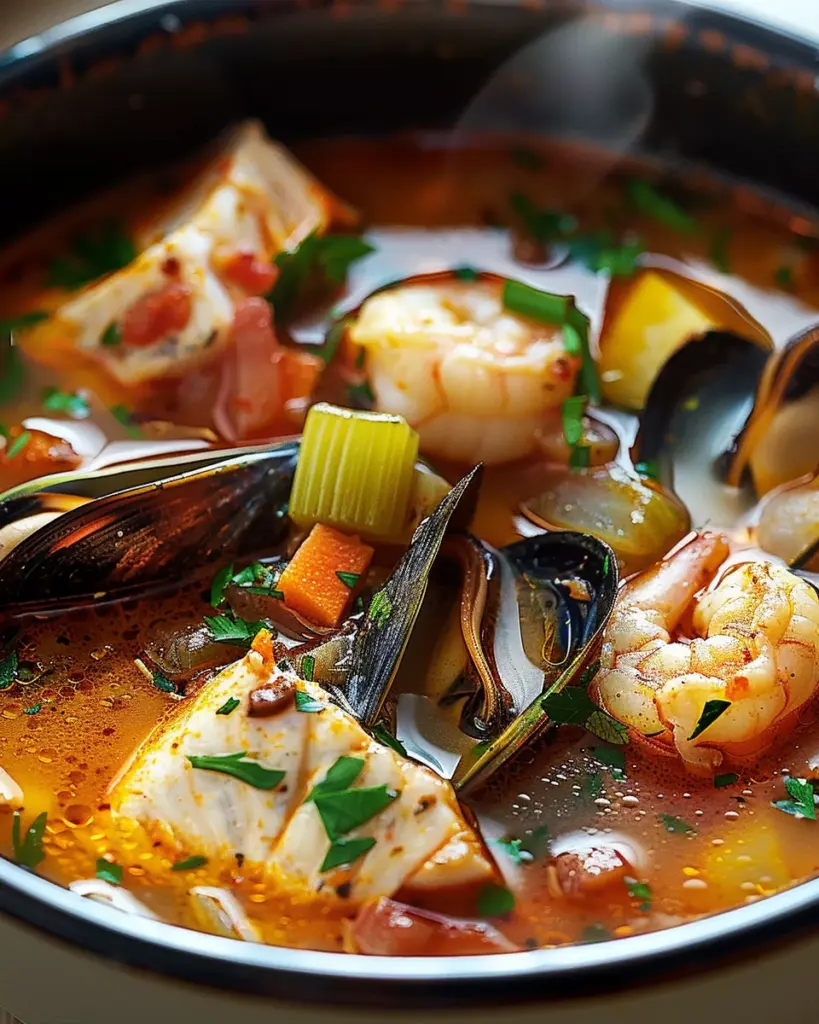
- Try a seafood twist: Add shrimp or scallops at the same step as the fish for variety.
- Add herbs last: Stir in fresh dill or parsley just before serving for added flavor and aroma.
Storage Instructions
- Refrigeration: Store leftover chowder in an airtight container for up to 3 days.
- Freezing: Not recommended. The dairy content may separate and result in a grainy texture upon reheating.
- Make-ahead: You can prepare the soup base in advance (without adding fish), then reheat and finish with fish when ready to serve.
Reheating Tips
- On the stove: Reheat over low heat in a saucepan, stirring frequently. Do not let it boil.
- Add liquid if needed: If the chowder has thickened in the fridge, add a splash of milk or broth to loosen it.
- Microwave caution: Use low heat settings and stir often to prevent uneven heating and curdling.
Frequently Asked Questions (FAQs)
Can I use other types of fish?
Yes. Any firm, white fish like haddock, cod, snapper, or halibut works well. Avoid soft or flaky varieties like tilapia which may fall apart in the chowder.
Is white wine necessary?
No. It’s optional and used to deglaze the pan and add depth of flavor. You can skip it or replace it with a splash of lemon juice or more stock.
Can I make this recipe dairy-free?
Absolutely. Substitute the milk with unsweetened almond, soy, or coconut milk. Use cornstarch slurry to thicken instead of a traditional roux.
What if my chowder is too thin?
Let it simmer a bit longer to reduce, or stir in a slurry made from flour or cornstarch and water. Let it simmer gently until it thickens.
What if it’s too thick?
Add more stock or milk to thin it to your desired consistency. Adjust seasoning as needed after adding liquid.
Can I use frozen fish?
Yes, but thaw it completely and pat dry before using. Excess moisture can dilute the chowder and affect texture.
Can I add other seafood?
Yes. Shrimp, scallops, or even chunks of salmon make great additions. Adjust cooking time to avoid overcooking.
Can I freeze the chowder?
It’s not ideal due to the milk base. Freezing may cause separation and a grainy texture when reheated.
How long does it take to make?
Prep time is around 10 minutes, cooking time is about 20 minutes. The entire recipe takes 30–35 minutes from start to finish.
What can I serve with it?
Crusty bread, light salads, roasted vegetables, or herbed grains. See side dish suggestions in Part 2 for full ideas.